Restaurant Waitlist Management: Walk-Ins, Wait Times and Fair Table Allocation
A complete guide to restaurant waitlists for recording walk-ins, estimating wait time, contacting guests and using tables fairly and efficiently.
- Bahram Davoodi
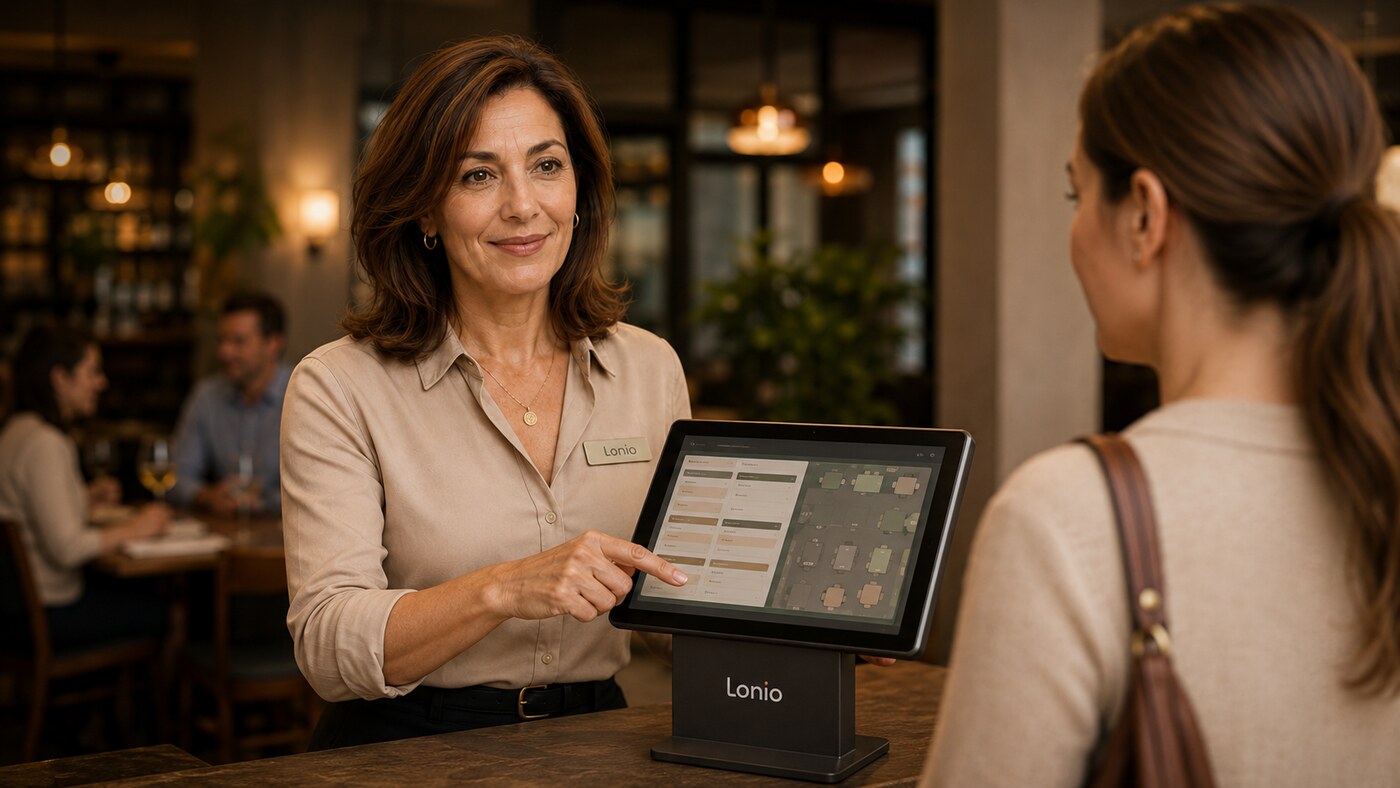
A walk-in guest should not be managed outside the restaurant system. A paper list can quickly produce uncertain wait times, forgotten calls, duplicate notifications and arguments about who should receive the next table.
What should be recorded?
- Guest or party name
- Party size
- Arrival time
- Indoor, outdoor or accessibility preference
- Contact method when needed
- Any time constraint
The record should use one clear party identifier so staff can update the same entry rather than creating duplicates.
Estimate the wait from operational data
A useful estimate considers occupied tables, service stage, expected table-turn time, upcoming reservations, party size and suitable table capacity. The number of parties ahead is not enough. A four-person group may wait longer than a later two-person group when only a two-seat table becomes available.
Update the estimate
The initial wait is an estimate, not a guaranteed promise. If a table stays longer, a reservation arrives early or a section closes, staff should revise the estimate and inform affected guests. Recording the original and revised estimate also improves later reporting.
Coordinate walk-ins with reservations
Before seating a walk-in, reception should know how long the table is genuinely available and which reservation follows. Accepting a party should not create a predictable delay for the next confirmed booking. A short seating window may be suitable only when it is explained and accepted.
Use clear waitlist statuses
Keep the status list limited and operational: waiting, contacted, table ready, seated, cancelled and no response. Every change should record time and staff user so a party is not removed accidentally or called twice.
Communicate with the guest
Explain the approximate wait, any material change and when the table is ready. Confirm the contact channel and keep personal data only for the operational purpose and period required by the configured privacy policy. Message automation and delivery status depend on the confirmed setup.
What if the guest does not answer?
Define a clear table-hold window after contact. When the window expires, record the final status and reason before releasing the table. The rule should be understandable to staff and applied consistently.
Balance fairness and capacity
Fairness is not only first-come, first-served. Party size, suitable table capacity, accessibility needs, location preference and the next reservation all matter. Reception should be able to explain why a later party of two received a two-seat table while an earlier party of six remained waiting.
Reception checklist
- Record party size and preferences.
- Check suitable tables and future reservations.
- Give a transparent estimated wait and its limitations.
- Confirm contact details and notification method.
- Record the table-hold period after contact.
- Close the entry after seating, cancellation or departure.
Practical scenario
A four-person walk-in arrives. The system shows that a four-seat table should become free in 25 minutes and its next reservation is 90 minutes later. The party is added to the waitlist, receives an updated estimate if the service changes, and is contacted when the table is ready. The final seated time is recorded for reporting.
Useful reports
- Average and median wait time
- Accepted and lost walk-ins
- Waitlist-to-table conversion rate
- Difference between estimated and actual wait
- Peak walk-in demand by day and time
- No-response and expired-hold rate
How Lonio can help
The Lonio reservations workflow can make reservations and capacity visible in one operational view, while the restaurant and cafe solution shows how reception, tables and orders connect. Automated estimates, messaging and table rules depend on the configured product setup.
Conclusion
A digital restaurant waitlist helps reception set clearer expectations, update guests, protect future reservations and use tables more efficiently without losing a fair and explainable allocation process.
Frequently asked questions
How is restaurant wait time estimated?
Use table status, service stage, upcoming reservations, party size, suitable capacity and average table-turn time.
Does the first party always receive the first free table?
No. Party size, table fit, accessibility needs and the next reservation also matter.
What happens if a guest does not answer when the table is ready?
After the documented hold period, release the table and record the status, time and reason.