Fast basket
Items, options, discounts and customer info – right where you sell.
Checkout capability
Ring up sales fast, keep product selection and payment status in view, and close the day without recording sales twice.
Checkout operation
Checkout teams can move from building the basket to payment status, receipt context, customer handover and daily close, while sales records capture the wider order history.
Checkout lane
Order board and active basket
Payment state
Linked to the order
Receipt context
Ready for handover
Close review
Sales and payment review
Items, options, discounts and customer info – right where you sell.
Payment and receipt can be checked straight from the order.
Sales and payments flow straight into the daily close.
Checkout rhythm
A good POS keeps the pace up: take the order, ring it up, print the receipt, close the day – one flow, nothing gets lost.
Pick products or services straight from the catalog – scanner included. The basket is ready in seconds.
See at a glance whether a payment is open, authorised or complete – cash, card or invoice.
Receipt, invoice and customer details hang right on the order – nothing to chase up later.
The daily close sweeps every sale into the cash book and reports – no manual re-entry.
Checkout devices
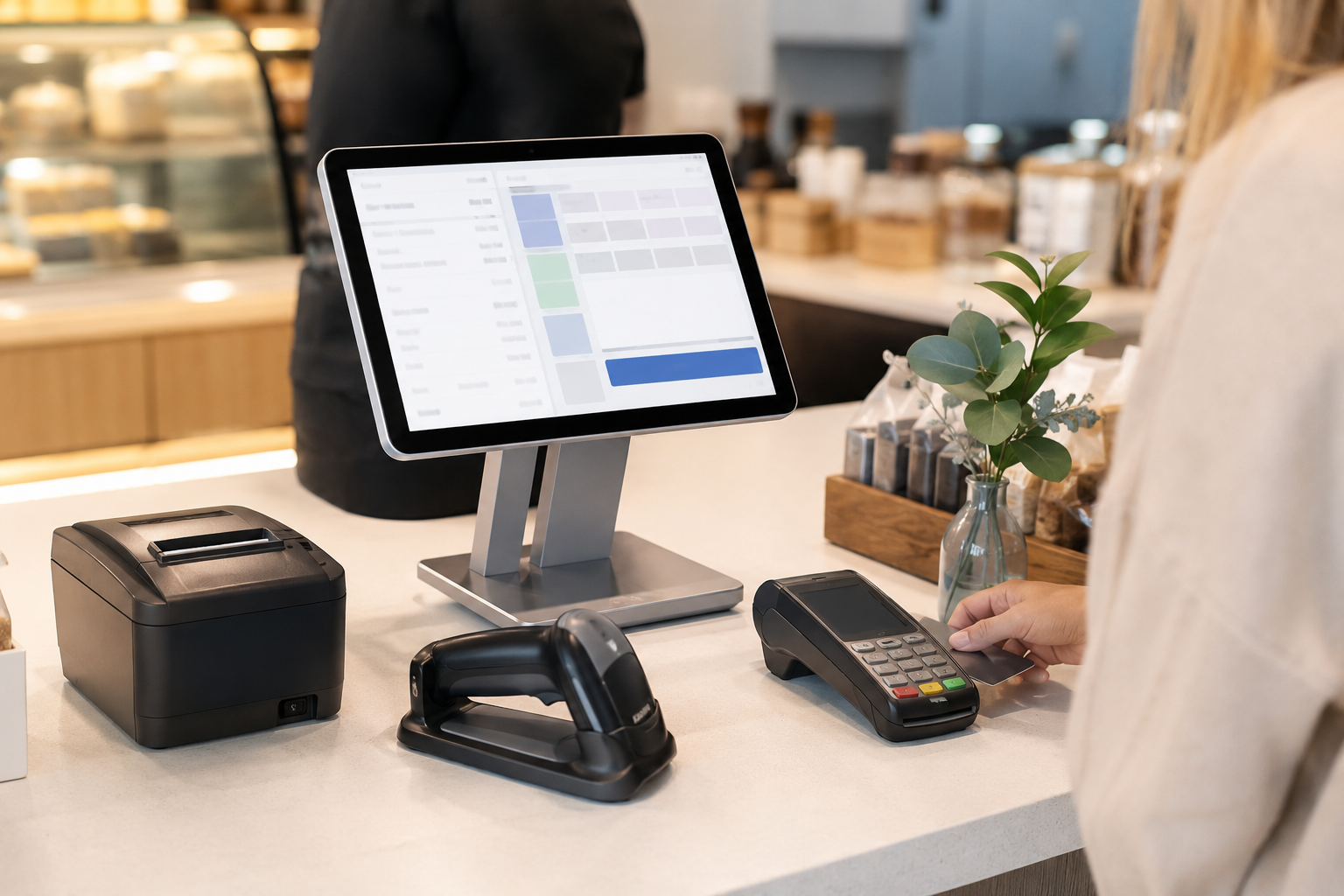
First plan which devices belong at your counter. Then pick the models in the hardware shop.
Payment terminal
Printer
Scanner
Take orders, review the basket, take payment – the heart of your checkout.
Card payments right at the terminal – wired into your POS.
Receipts for everyone who needs paper – fast and RKSV-compliant.
Lightning product lookup by barcode – ideal for retail and markets.
In detail
From digital receipts to scales: features that make the difference in day-to-day trading – all included, with no add-on modules.
Scan a QR code instead of paper: the receipt stays on the customer's phone, is available as a PDF at any time and can be viewed in 38 languages – in your shop's look.
Single-use and reusable deposits (Pfand) stored on the product, added automatically and refunded at the touch of a button.
Tipping by payment method – with a configurable maximum – kept cleanly separated in settlement and reporting.
Scales with automatic weight capture; receipt printers via USB, Bluetooth and network; barcode scanners included.
Split the bill, take payment in stages and print an interim receipt (Zwischenbeleg) – ideal for hospitality and groups.
Daily and shift reports (X/Z-Bericht) at the touch of a button, with automatic shift close at the time you configure.
Global Payments, GPtom, Payone and SumUp connected directly – the amount goes to the terminal and the status comes straight back to the till.
If the internet goes down, the till keeps taking payments and syncs automatically as soon as the connection returns.
Current POS terminals, receipt printers and scanners – tested and ready to go.
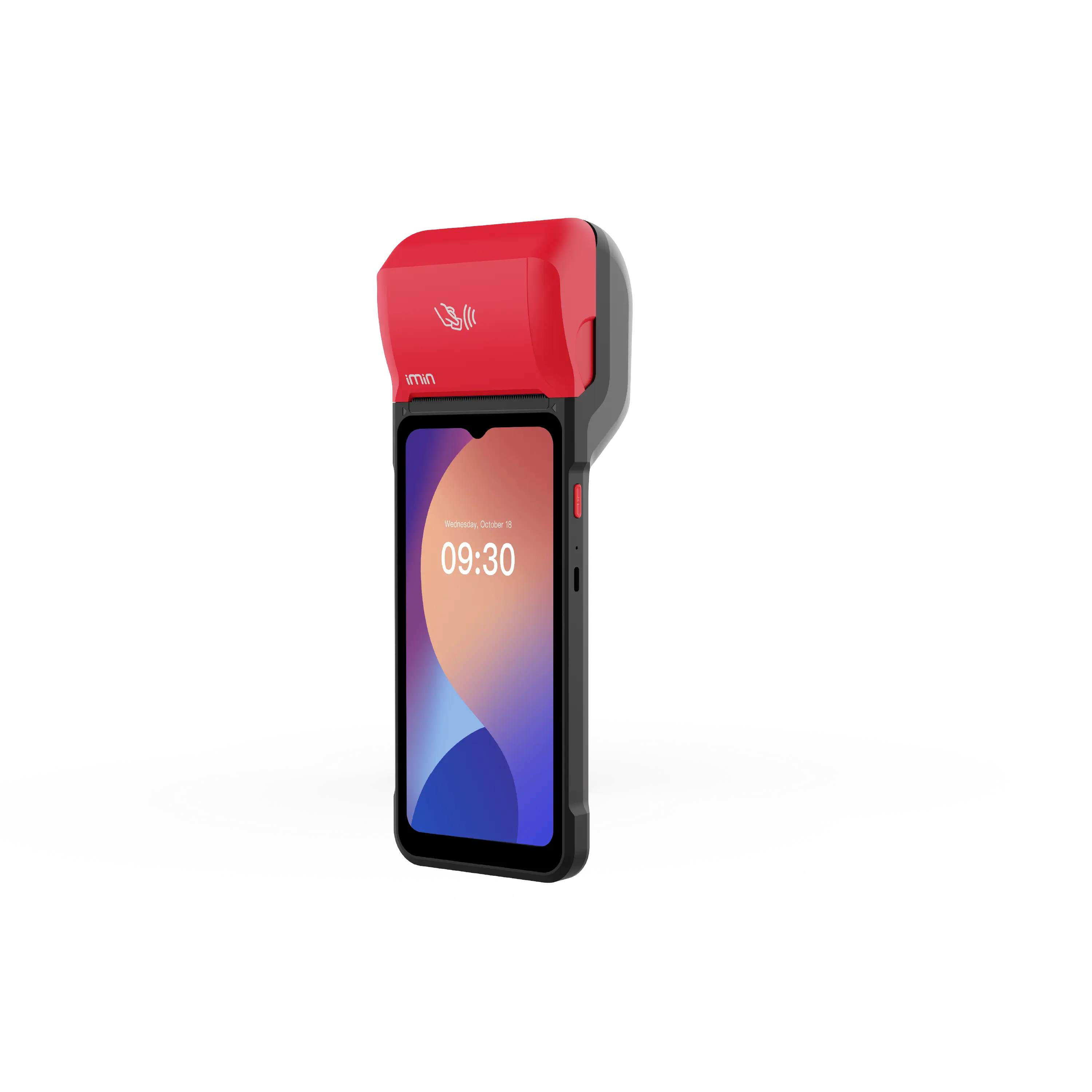
In stock.
€ 350.00
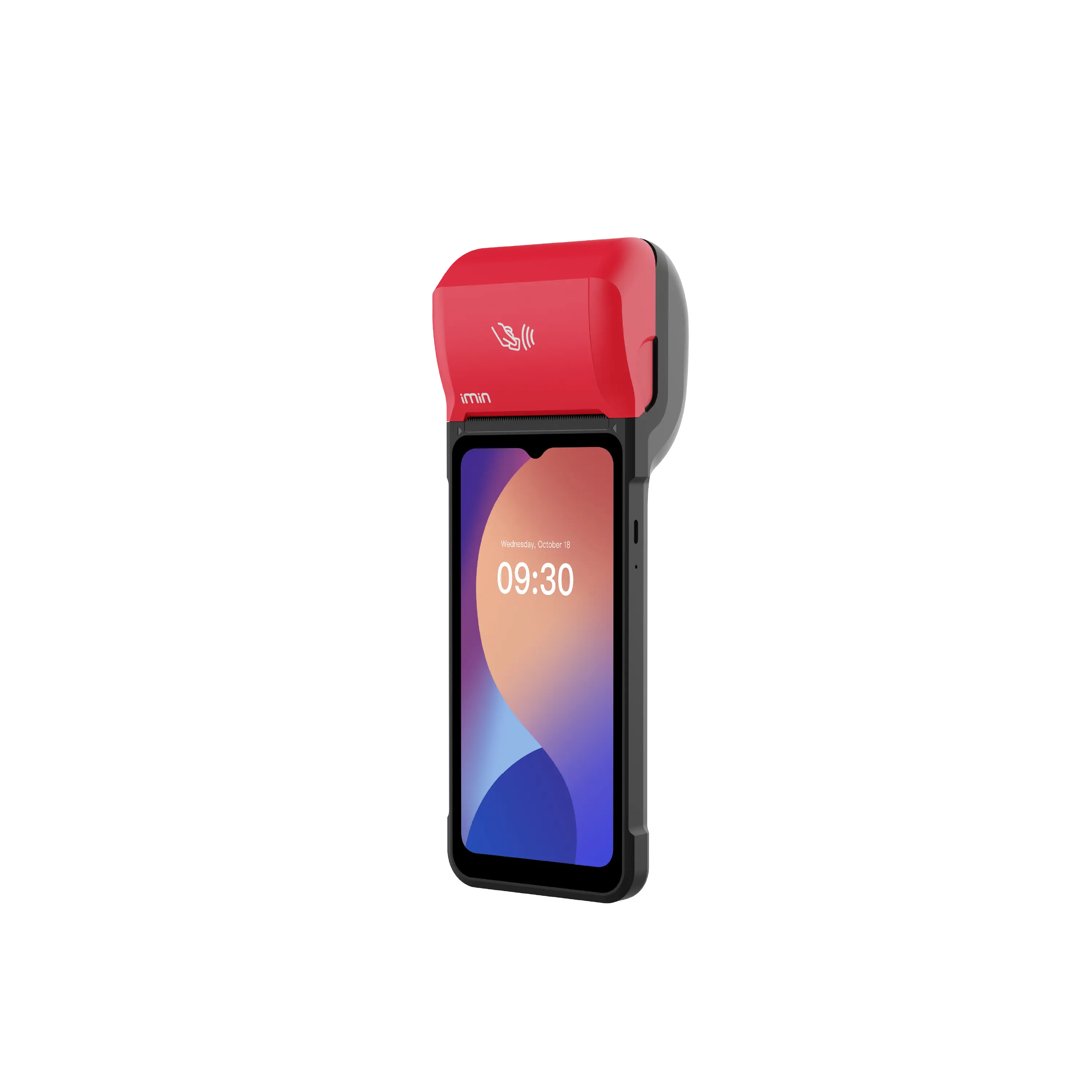
In stock.
€ 320.00
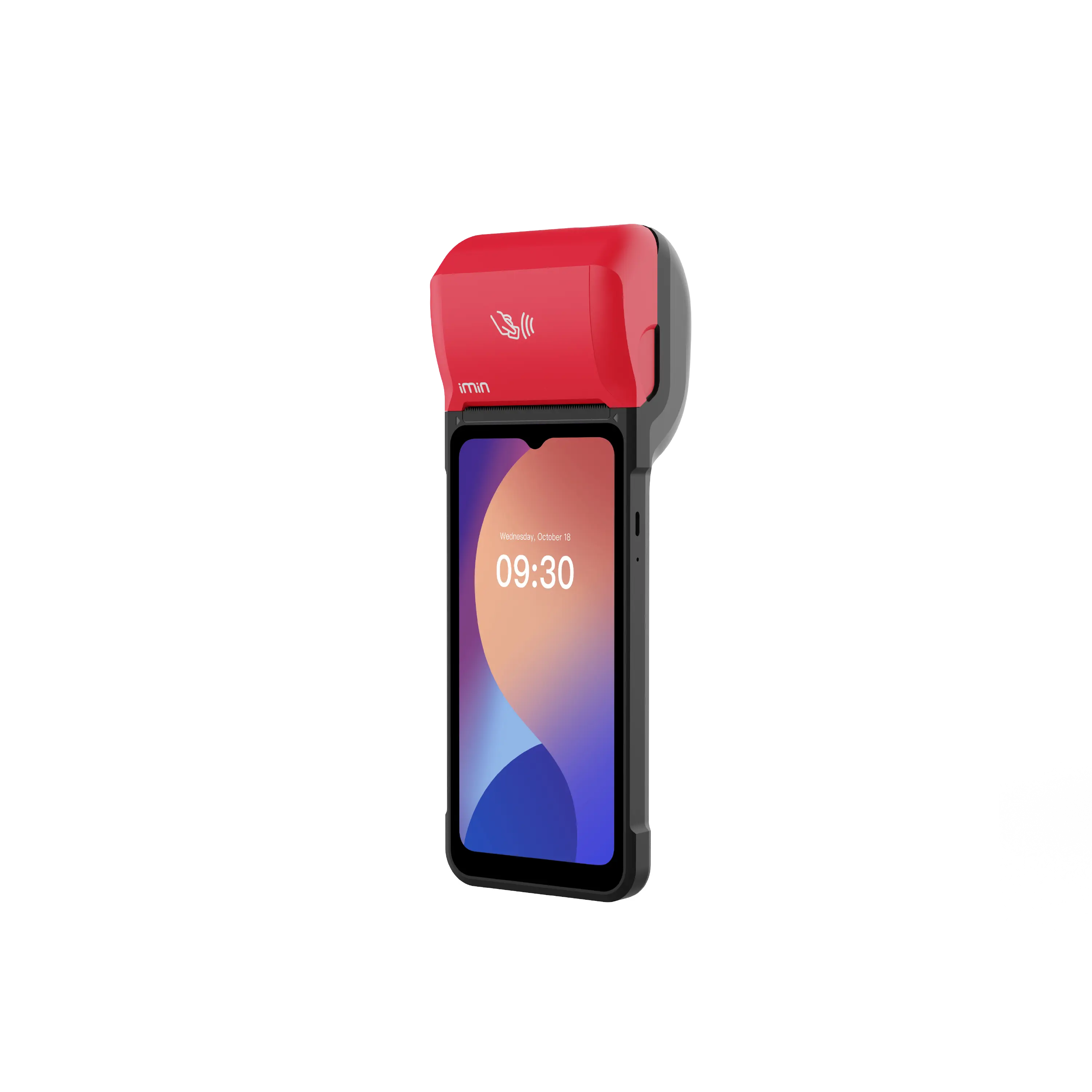
In stock.
€ 312.50
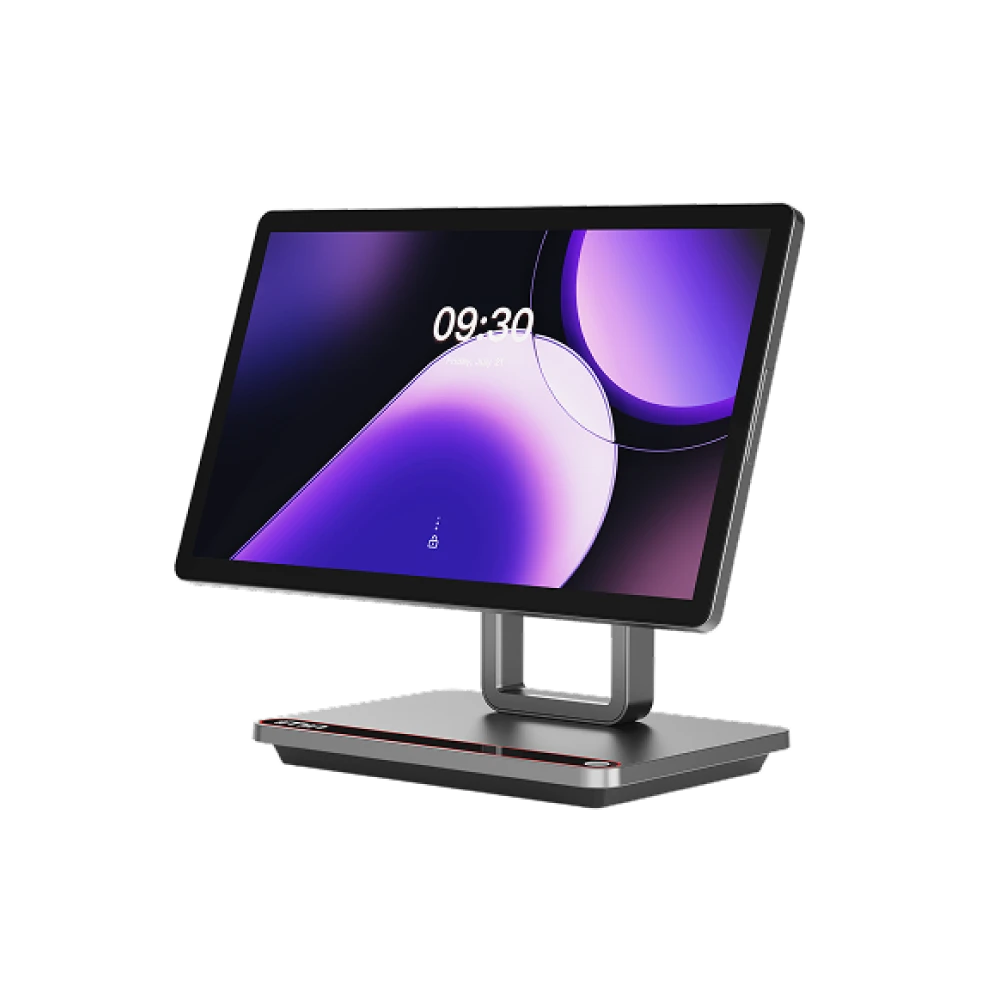
Currently out of stock.
Price available at checkout
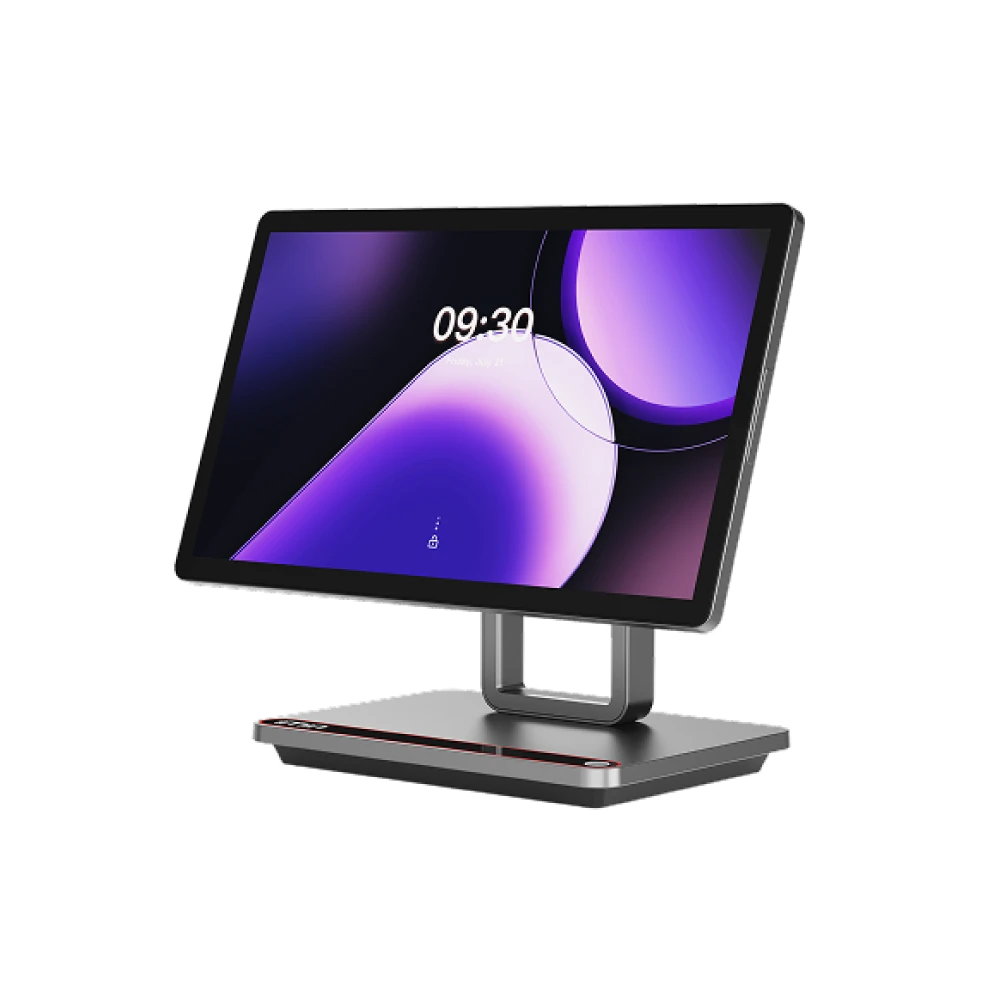
Currently out of stock.
Price available at checkout
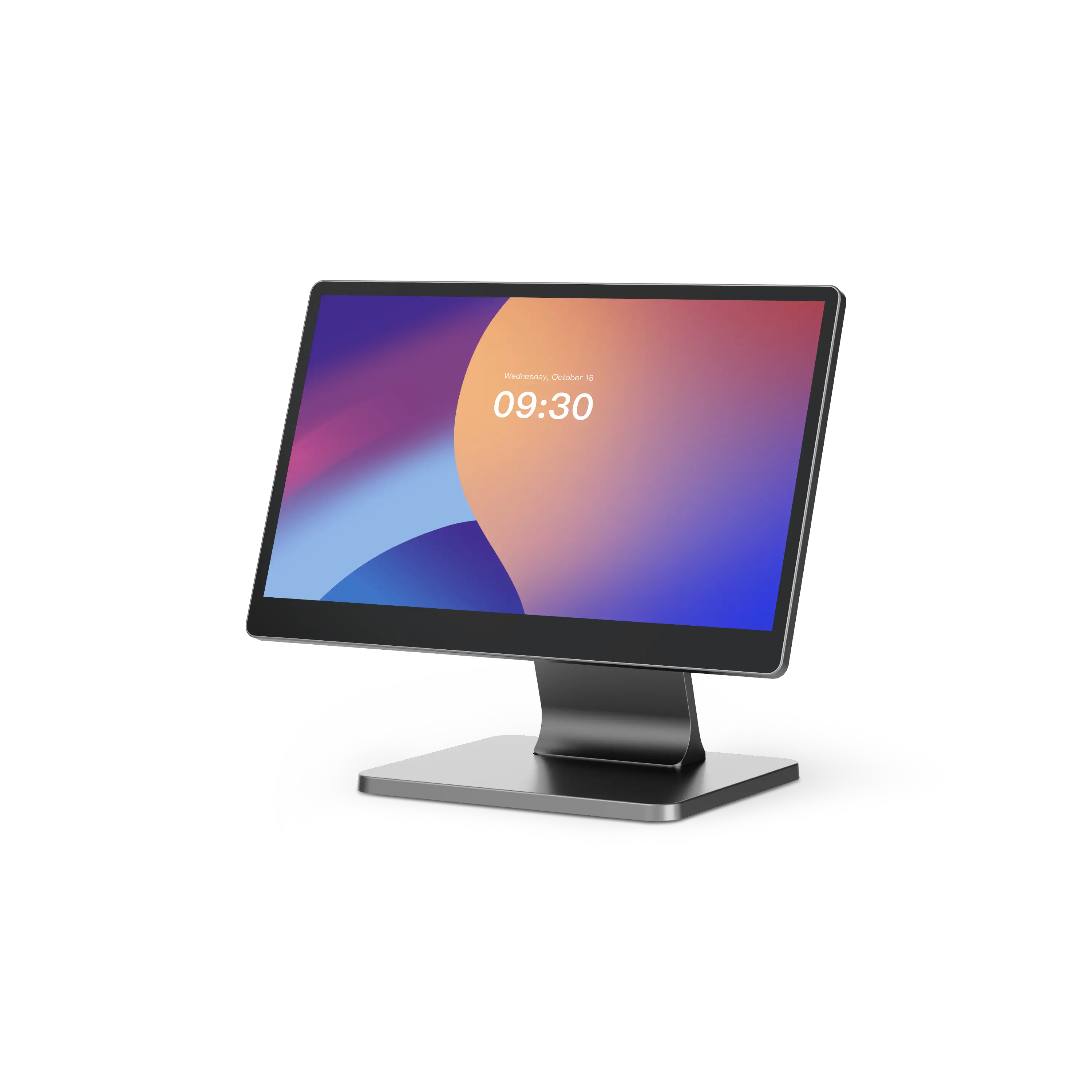
Currently out of stock.
Price available at checkout
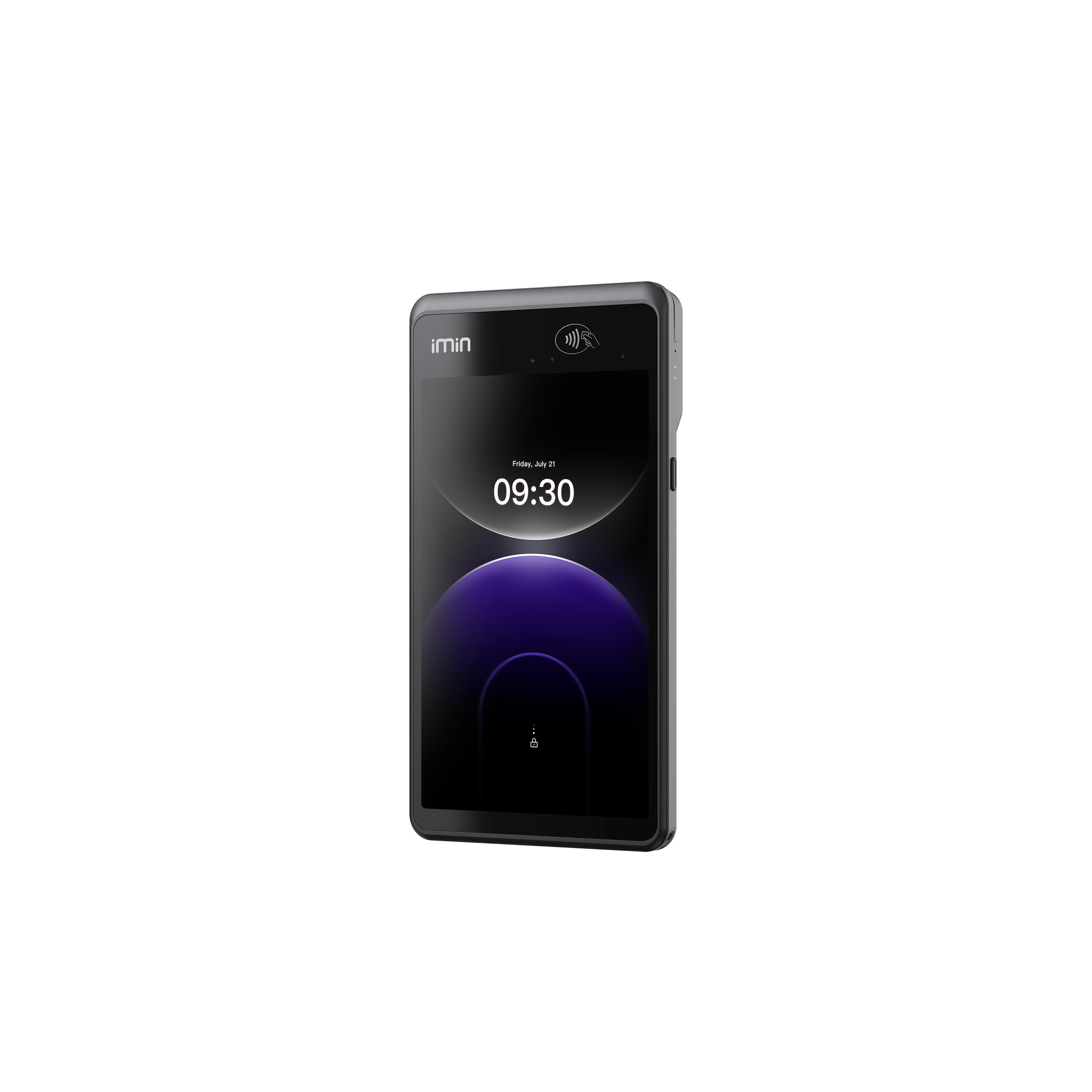
Currently out of stock.
Price available at checkout
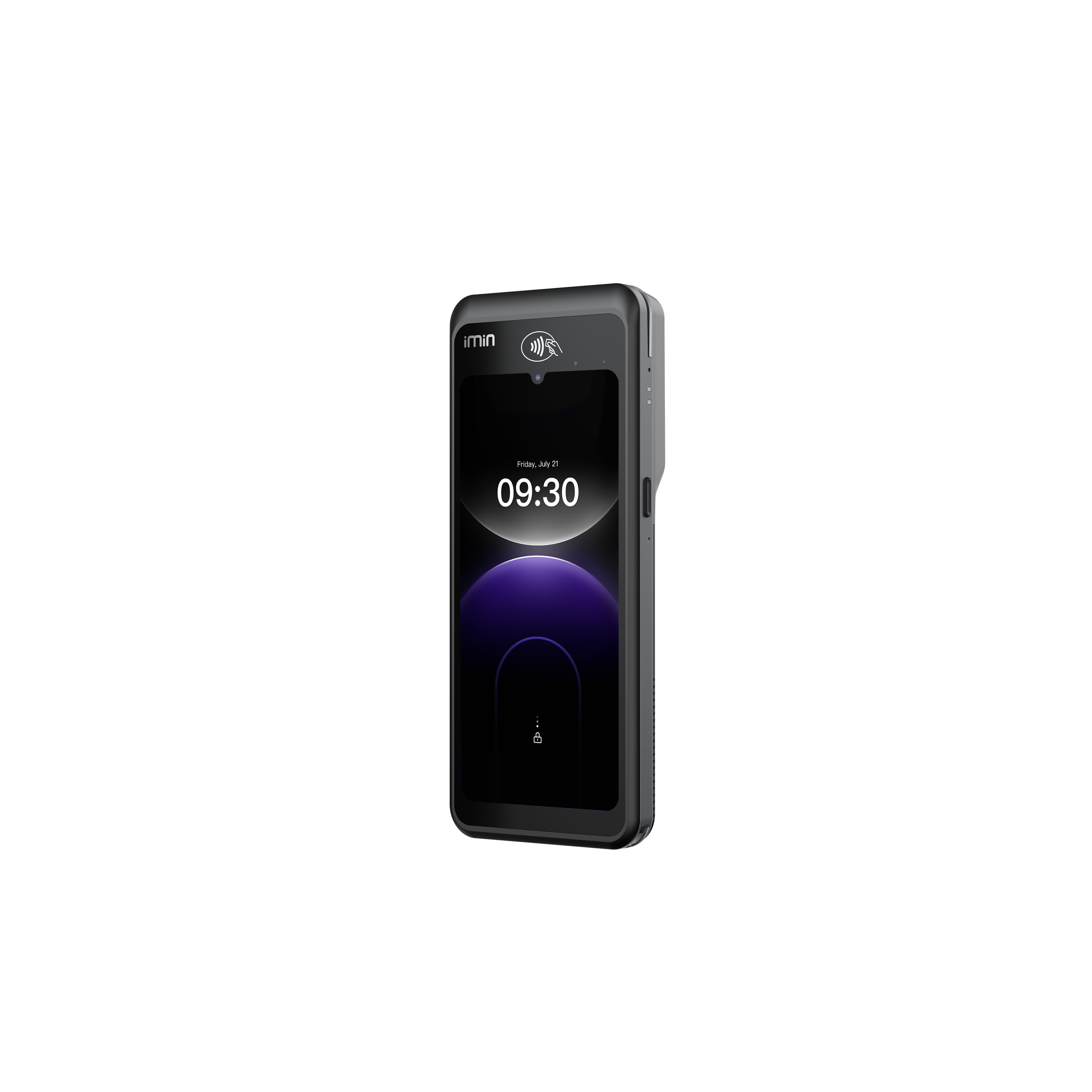
Currently out of stock.
Price available at checkout
Connected capabilities
At the counter, the sale is all that matters. Everything else – orders, payments, reports – runs along automatically in the background.
Orders, receipts and your whole selling day in one place.
Card payments, payment overview and shipping – wired into the POS.
Products, categories, prices and variants – the basis for every sale.
Daily close, revenue and clear numbers for your decisions.
For your industry
Wherever the counter has to move fast, Lonio shows its strengths – from the café to the supermarket.
In service every minute counts: tables, orders, split bills and gift cards – everything runs through the till.
Service focus
Reservations, menu and team are ready before service starts.
Many receipts an hour and deep stock: barcode checkout, reordering and returns have to run smoothly.
Checkout and stock focus
Fast checkout stays wired to stock and barcodes.
Advise, sell, check stock: on the floor you need product and customer info right at the till.
Retail floor focus
You sell on the floor – product details and customer history are always at hand.
Fresh goods and the morning rush: availability, fast selling and purchasing have to line up.
Operating focus
Availability and counter rush are ready for fresh goods.
Availability
The POS is the core. Add modules like payments, invoices, reports or industry features as you need them.
For getting started: legally compliant POS, product & price management, digital receipts.
The all-rounder: adds real-time stock & purchasing, online shop and accounting export.
For multi-store businesses: multi-store management, advanced APIs and personal onboarding.
Guides and hands-on tips for checkout and devices.
Sunday, 12 July 2026
A practical guide for Austrian businesses choosing Tablet Kassensystem hardware — tablet, card reader, receipt printer and barcode scanner that actually work together.
Checkout planning
In a free demo we walk you through checkout, payments, receipts and the daily close – using your own workflow.
POS / Checkout
Checkout, orders, payments, receipts and daily close.
For your industry
Restaurants & Cafes, Supermarkets, Retail Stores, Bakeries
Short, practical tips on features, workflows and your next step – straight to your inbox.