Restaurant Takeaway Packaging: Inventory, Cost and Handover Control
Guide to managing takeaway packaging inventory, cost and quality from purchasing and reorder planning to the final handover check.
- Bahram Davoodi
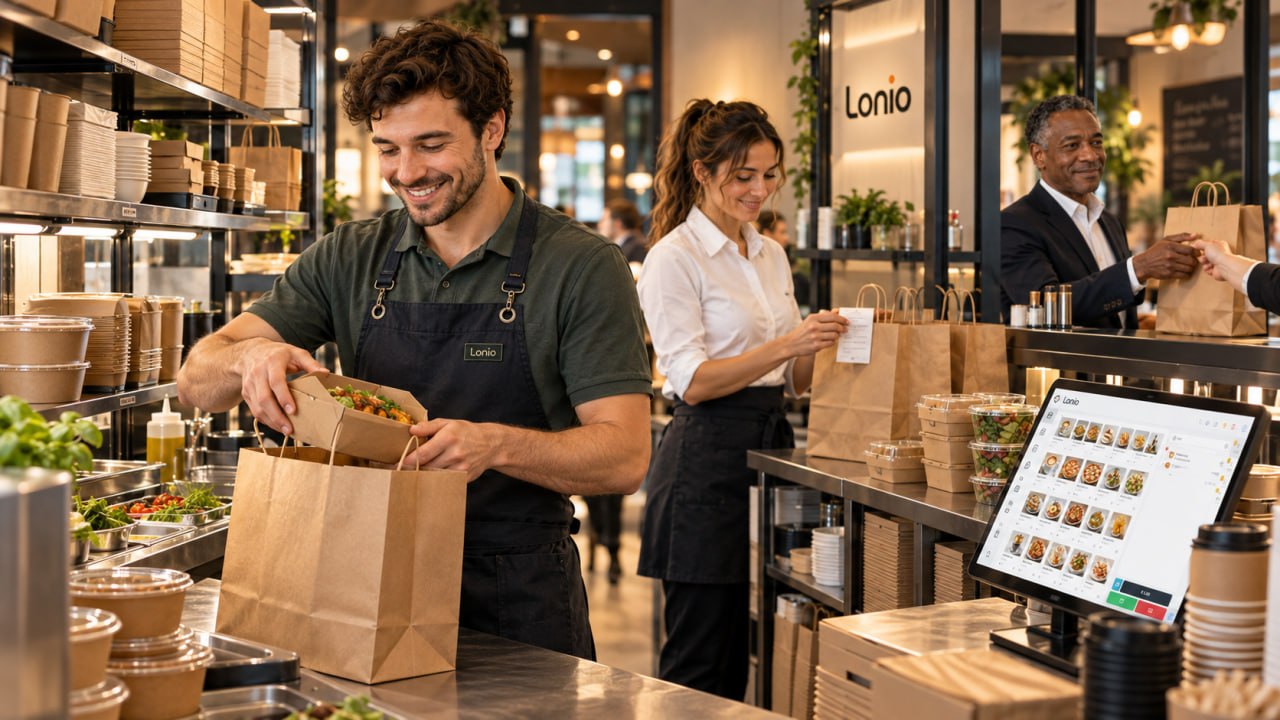
Packaging is part of the takeaway experience. The wrong container, a missing lid or forgotten extras can damage food quality, create complaints and hide real operating costs.
Link packaging to products and channels
For each product group, size, fulfilment channel and expected travel time, define the required container, lid, bag, separator and label. The matrix should be approved by operations and quality owners and reviewed when the menu changes.
Expected packaging set
- Main container and lid
- Cup and carrier
- Transport bag
- Order or destination label
- Cutlery and napkins when required
- Sauce pots and other extras
Convert purchase units into consumption units
Packaging is usually purchased by carton or pack but consumed by piece. Record the actual quantity per pack, conversion factor and supplier packaging changes so stock and cost per order remain reliable.
Separate inventory and reorder point
Frequently used packaging should be counted like other consumables. Estimate usage from takeaway order volume, product mix, events and comparable days. Lead time, minimum order, storage space and defect rate should influence the reorder point.
Real packaging cost per order
Convert the cost of containers, lids, bags, labels and extras into the consumption unit. Custom print, rush purchasing and channel-specific materials may need separate treatment. Margin calculations require complete data and an approved financial method.
Packing-station control
- Order identifier and number of packages
- Correct container and secure closure
- Drinks, sauces and extras
- Required separation under internal quality rules
- Customer, destination or courier label
The check should be short, role-based and proportionate to the risk of error.
Consumption discrepancies
If actual consumption is higher than expected, investigate breakage, rework, overuse, theft, incorrect counting or an incorrect packaging definition. Unusually low usage may indicate that required items were omitted. Do not claim automatic stock deduction unless the live product capability has been confirmed.
Supplier quality
Price is not the only criterion. Track dimensional consistency, lid performance, defect rate, lead time and availability during busy periods. A small size change can make lids incompatible and increase waste.
Reduce variety without harming quality
Standardising a small set of common sizes can simplify purchasing and counting, but it should not create poor fit or excessive material use. Test with real products, travel times and customer feedback.
Environmental and local requirements
Container types, labelling, reusable options and related charges may be affected by local rules. Final choices should be reviewed against current Austrian requirements by a qualified local specialist.
Management metrics
- Packaging cost per order and channel
- Stockout and emergency-purchase rate
- Actual versus expected consumption
- Packing errors and incomplete orders
- Supplier defects and returns
Conclusion
Packaging management works best when delivery quality, consumable inventory and true cost are treated as one operating process.
Frequently asked questions
How should packaging be defined for each product?
Use a matrix based on product, size, channel, travel time and internal quality rules.
How is packaging cost per order calculated?
Convert containers, lids, bags, labels and extras into their consumption units and add their costs.
Why should packaging inventory be controlled separately?
A shortage of one simple item can stop sales of several products or an entire channel.
What causes unusual packaging consumption?
Breakage, rework, overuse, counting errors or an incorrect packaging set.