The Real Cost of Restaurant Software: Calculating TCO for Software, Hardware and Operations
A practical framework for comparing the real cost of restaurant software across one-off, recurring and variable costs, hardware, implementation, downtime and future switching.
- Bahram Davoodi
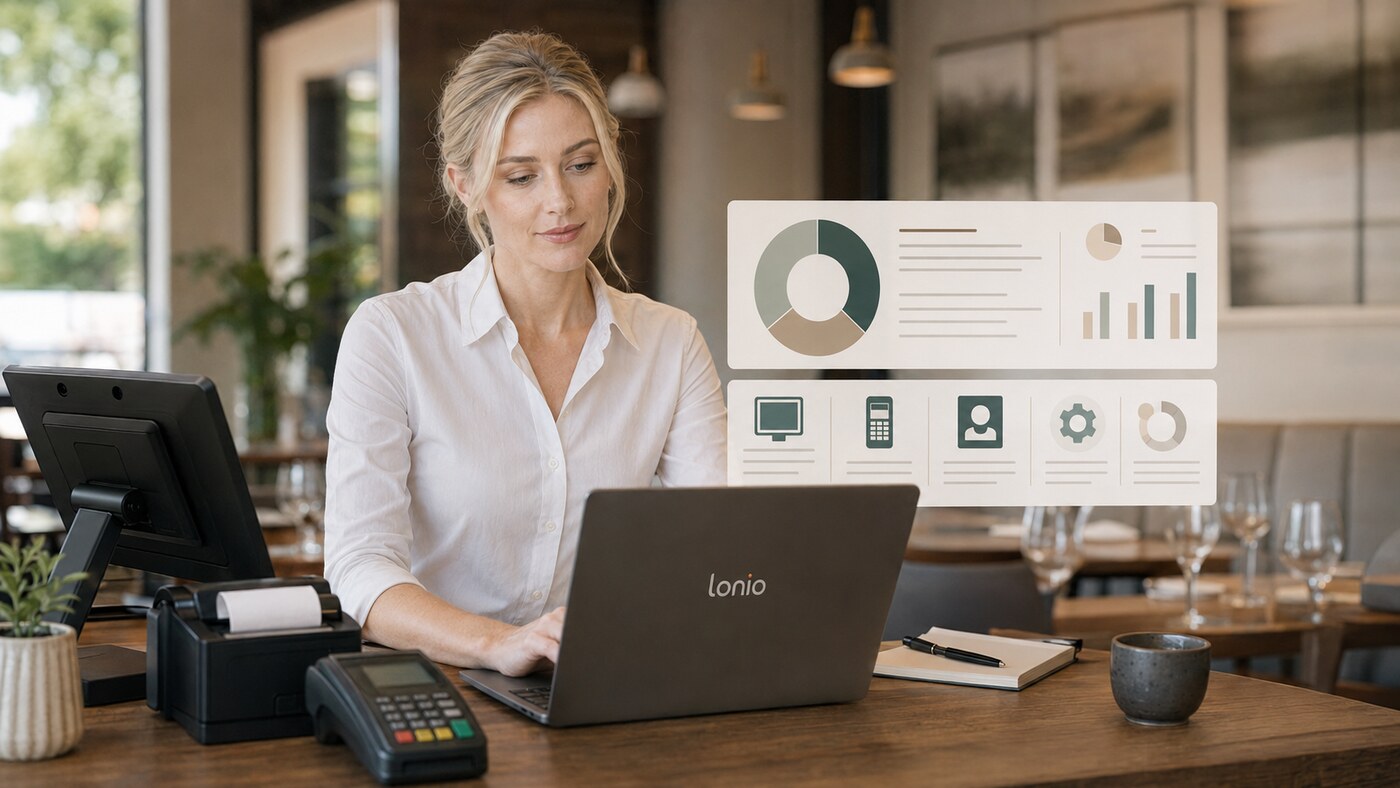
The monthly subscription is only one part of the cost of restaurant software. A useful comparison must include software, devices, implementation, training, support, payments, maintenance and internal staff time. The lowest headline price can become the more expensive option when essential modules, hardware, integrations or operational work are excluded.
Main cost components
- Software subscription and enabled modules
- POS terminals, tablets, printers, kitchen displays, payment terminals and network equipment
- Configuration of menus, tables, users, permissions and production stations
- Cleaning, mapping or migrating legacy data
- Staff training, pilot testing and go-live support
- Payment costs, equipment maintenance and replacement
How software pricing is structured
Pricing may be based on location, device, user, module, transaction volume or a combination of these. Before comparing proposals, identify what is included in the base fee and what is charged separately. Ask whether reporting, reservations, inventory, online ordering, kitchen routing, API access, support levels and software updates are part of the quoted scope.
Hardware cost
A small café may start with a tablet, receipt printer and payment terminal. A multi-station restaurant may need several order-entry devices, kitchen displays or kitchen printers, stronger network equipment, charging points, cash drawers and backup devices. Hardware cost should include installation, accessories, warranties, expected replacement cycles and the time required to configure each device.
Implementation and migration
Building the menu catalogue, setting tax rules, tables, users, printers and kitchen routing creates an initial implementation cost. Migration can also require data cleaning, format conversion and manual validation. A low setup fee is not helpful if the restaurant must spend many internal hours correcting products, prices or permissions after launch.
The hidden cost of an unsuitable system
- Entering the same order more than once
- Incorrect price or tax configuration
- Unreliable stock information
- Manual report preparation
- Lost sales during a device or network failure
These costs may not appear on the supplier invoice, but they affect payroll time, guest experience, refunds and accounting corrections.
One-off, recurring and variable costs
Group every item into three categories. One-off costs include equipment purchase and installation, migration, menu setup and initial training. Recurring costs include subscriptions, support, integrations, maintenance and periodic device replacement. Variable costs can change with the number of locations, devices, users, transactions, messages, online orders or payment methods. Keeping these groups separate makes future growth easier to model.
Payment and third-party integration costs
Review transaction fees, payment-terminal rental or purchase, gateway charges, software connectors, SMS, online ordering, accounting exports and external services separately. A listed integration does not necessarily mean it is free, available in every plan or compatible with every device and provider. Confirm both the commercial terms and the production compatibility.
Data exit and supplier-change cost
Before purchasing, ask about export formats, archive fees, catalogue portability, transaction history, document retention and contract termination time. A low-cost system with difficult data export can create a substantial future switching cost. Clarify who owns the data, what can be exported without professional services and how long access remains available after termination.
How to calculate total cost of ownership
Choose a fixed comparison period and add implementation, subscription, hardware, support, training, maintenance, payment-related costs and internal operational time. Then estimate the cost of errors, downtime and rework using the restaurant's own data. Potential savings should also be based on measurable changes, such as fewer manual reports or less repeated order entry, rather than general promises.
A three-year comparison method
For each option, calculate start-up cost, monthly fees, equipment, training, support, integrations, maintenance and internal team time over the same thirty-six months. Include scenarios for replacing a device, adding a location, adding users or enabling another module. Compare like with like: two offers are not comparable when one includes implementation and support while the other only quotes software access.
The hidden cost of downtime and rework
When an order must be entered again, a report is rebuilt manually or a network failure stops sales, the cost is larger than the software invoice. Staff time, cancelled orders, guest dissatisfaction, refunds, lost production and accounting correction are all part of TCO. Estimate these effects conservatively from actual incidents and service volumes.
Questions to ask a supplier
- Which modules and support services are included in the base price?
- What is the cost of another device, location or user?
- How are implementation, migration and training charged?
- What are the costs of integrations, payments and data export?
- What happens to pricing when the restaurant grows or changes contract?
How Lonio can simplify the assessment
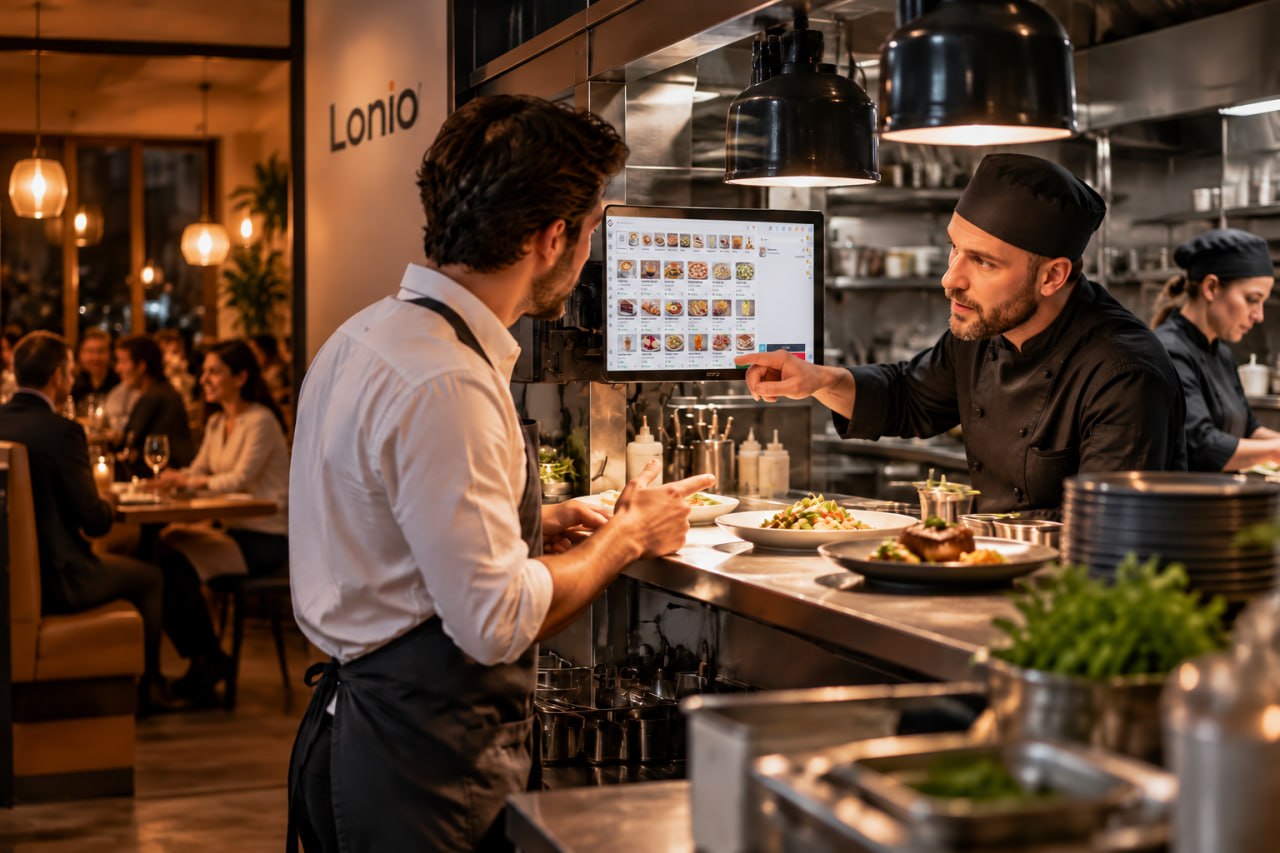
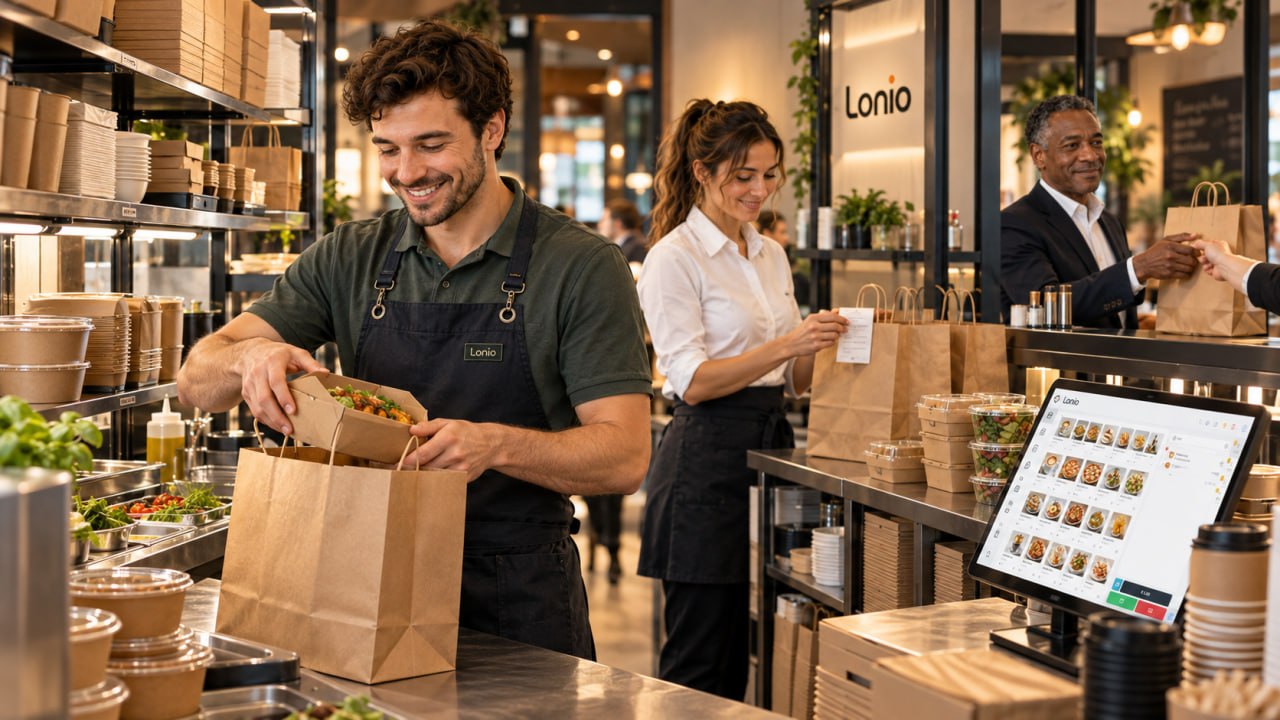
The restaurant and café solution shows the operational areas that may need software and equipment. Through contacting Lonio, the project scope, devices and required modules can be clarified before a commercial proposal is compared. Exact pricing, integrations and hardware requirements must be confirmed for the specific deployment.
Conclusion
The right price is not simply the smallest number. It is a combination of predictable cost, reliable operation, manageable growth and reduced rework. A three-year TCO view makes hidden costs visible and helps the restaurant compare offers on the same scope.
Frequently asked questions
Does the monthly fee represent the full POS cost?
No. Hardware, implementation, training, support, integrations, maintenance, payment fees and internal staff time should also be included.
What is restaurant software TCO?
It is the total of one-off, recurring, variable and operational costs over the same comparison period.
Why is no fixed price shown?
Cost depends on locations, devices, users, modules, integrations and the implementation scope.
Why does data-exit cost matter?
Archive access, catalogue transfer and changing suppliers can create significant future time and cost.