Restaurant Reservations in One Calendar: Capacity, Cancellations and Duplicate Prevention
A practical guide to connecting phone, walk-in and online reservations to one source of capacity with shared status, cancellation, duplicate and outage controls.
- Bahram Davoodi
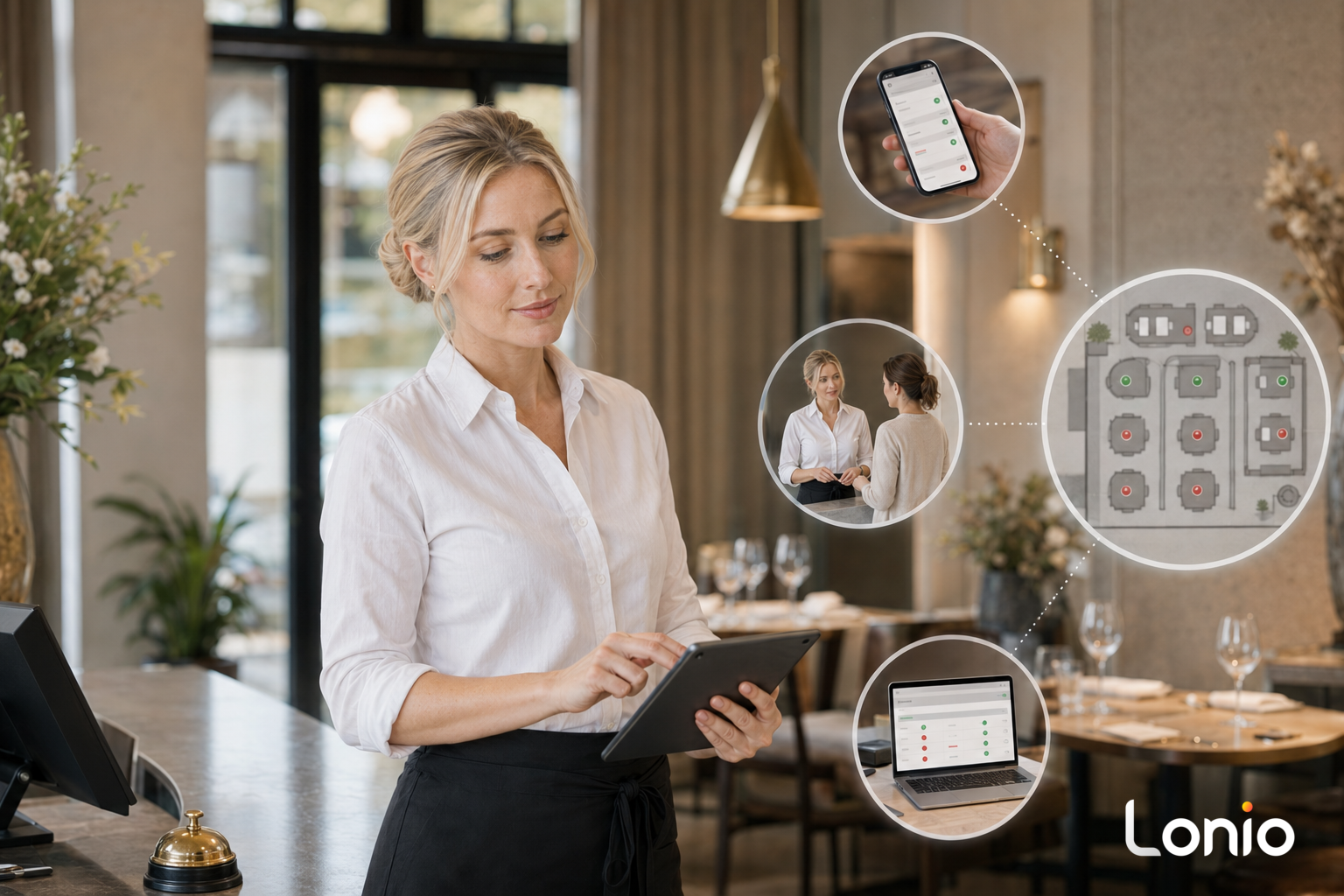
Reservations may arrive by phone, in person, through the restaurant website or through external channels. When every source is managed separately, the same capacity can be sold twice, cancellations can remain active and guest requests can be missed.
Choose one source of truth for capacity
The central reservation calendar should be the final reference for availability. Paper books, staff messages and external dashboards must not become independent parallel calendars. Every reservation should reach the central view with its source, creation time and reservation identifier.
Standardise the reservation record
- Guest name and contact details.
- Party size, date and time.
- Expected dining duration.
- Suggested table, room, terrace or section.
- Notes, accessibility needs and special requests.
- Source channel and confirmation status.
Align capacity rules before connecting channels
A shared calendar cannot prevent overbooking if each source uses different rules. Define default duration by party size or service type, table turnaround time, capacity by area, large-party restrictions, events, blocked periods and branch closures.
Detect possible duplicate reservations
A guest may book online and then call for the same time. Name, phone number, time and party size can be used to flag similar records. A person should review the match before merging so two different groups are not combined incorrectly.
Apply changes and cancellations to the same record
A change of time, party size or note should update the original reservation rather than create a new one. The history should retain the source of the change, timestamp and user or channel. External synchronisation behaviour must be tested before claims are made.
Use shared operational statuses
Requested, confirmed, cancelled, arrived, seated, completed and no-show are useful examples. Status mapping between channels must be explicit so an external cancellation does not remain active internally.
Protect capacity during a channel outage
If a channel or connection is unavailable, staff need a defined emergency process. Manual reservations should receive a temporary identifier, capacity should remain protected and pending records should be reconciled with the central calendar after service returns.
Give reception one daily view
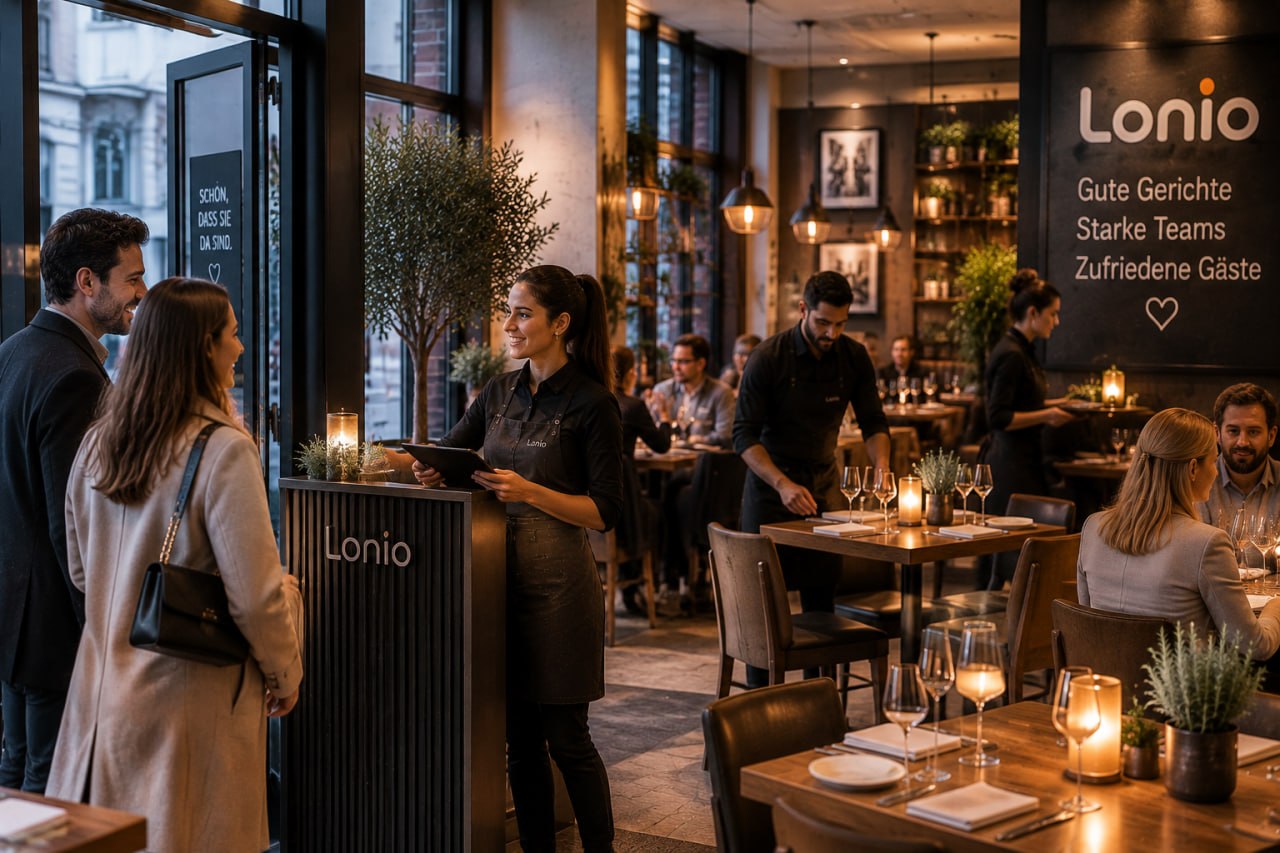
The host team should see all channels in a single timeline with arrival status, contact confirmation, table assignment and special requests. Phone bookings should never remain outside the main calendar.
Measure channel quality, not only volume
Compare actual arrivals, cancellations, no-shows, party size, approximate value and channel cost. The goal is not automatically to remove a channel, but to adjust availability and process using real outcomes.
Practical scenario
An online booking for four guests is created. Minutes later the same phone number calls for the same time and asks to increase the group. The similar record is reviewed, party size is changed on the original booking and capacity is not consumed twice.
Implementation checklist
- Document capacity and duration rules.
- Define the central calendar as the source of truth.
- Standardise required fields and statuses.
- Test changes, cancellations and duplicate scenarios.
- Practise the outage and reconciliation process.
How Lonio can be evaluated
Depending on the confirmed reservation configuration and available integrations, Lonio may support a central calendar, shared capacity rules, source tracking, status management and reporting. Synchronisation with external providers and duplicate prevention should only be presented after technical testing for the actual channel.
Conclusion
One calendar does not remove reservation sources; it connects every source to the same real capacity and traceable record.
Frequently asked questions
Where should the main reservation capacity be managed?
All channels should connect to one central calendar using the same capacity rules.
How can duplicate reservations be detected?
Name, phone number, time and party size can flag similar records, followed by human review before merging.
Should a reservation change create a new booking?
No. Time, party-size and note changes should update the same reservation and retain history.
What should happen during a channel outage?
Protect capacity, use a controlled manual process and reconcile pending records after the connection returns.