Restaurant Kitchen Capacity: Demand Forecasting, Preparation and Online Order Control
Guide to kitchen-capacity planning across all channels, daily preparation, pressure thresholds, promised times and post-service review.
- Bahram Davoodi
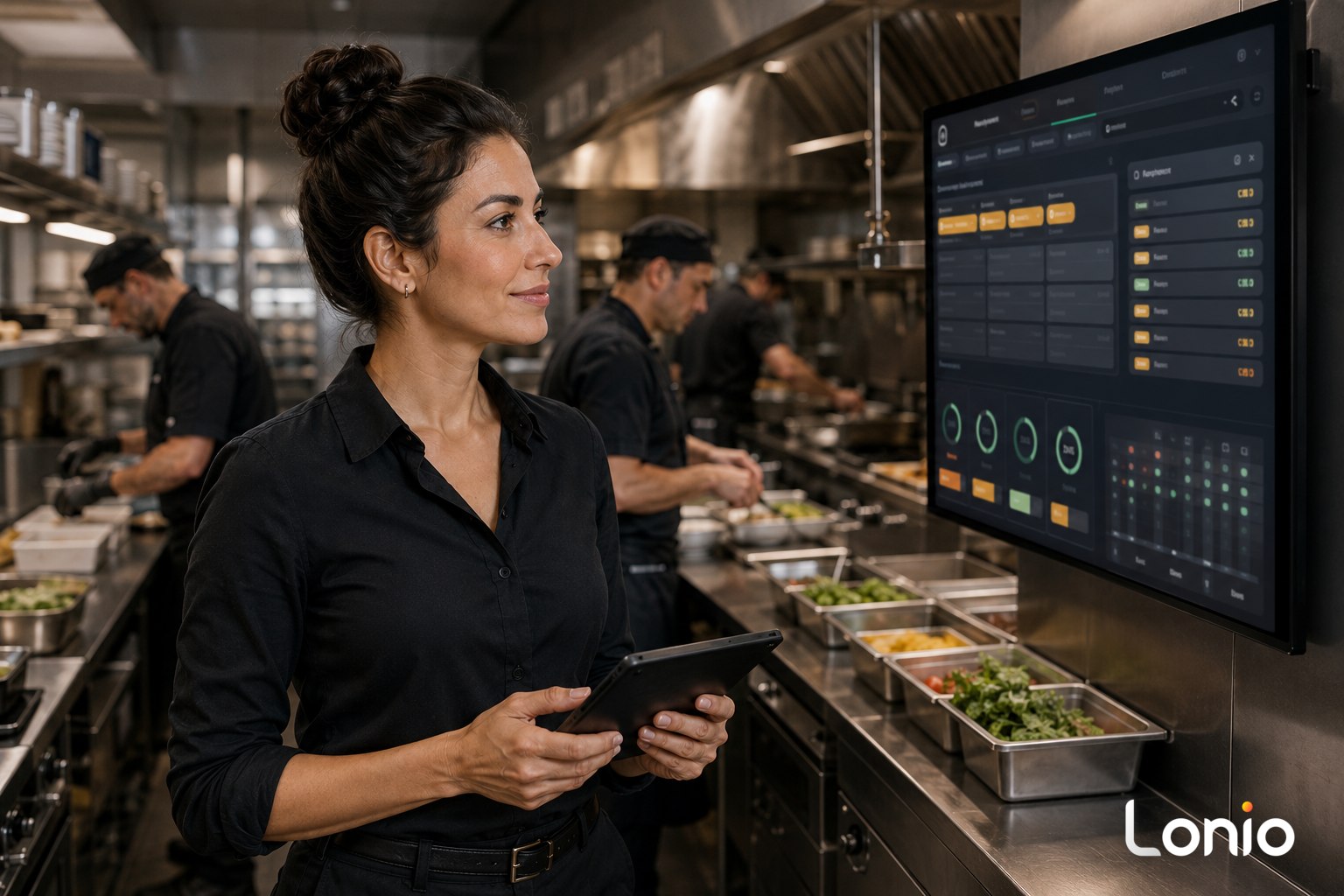
Kitchen capacity does not depend only on headcount. Menu mix, stations, equipment, preparation time and the composition of orders determine the real speed of service.
Measure capacity by station
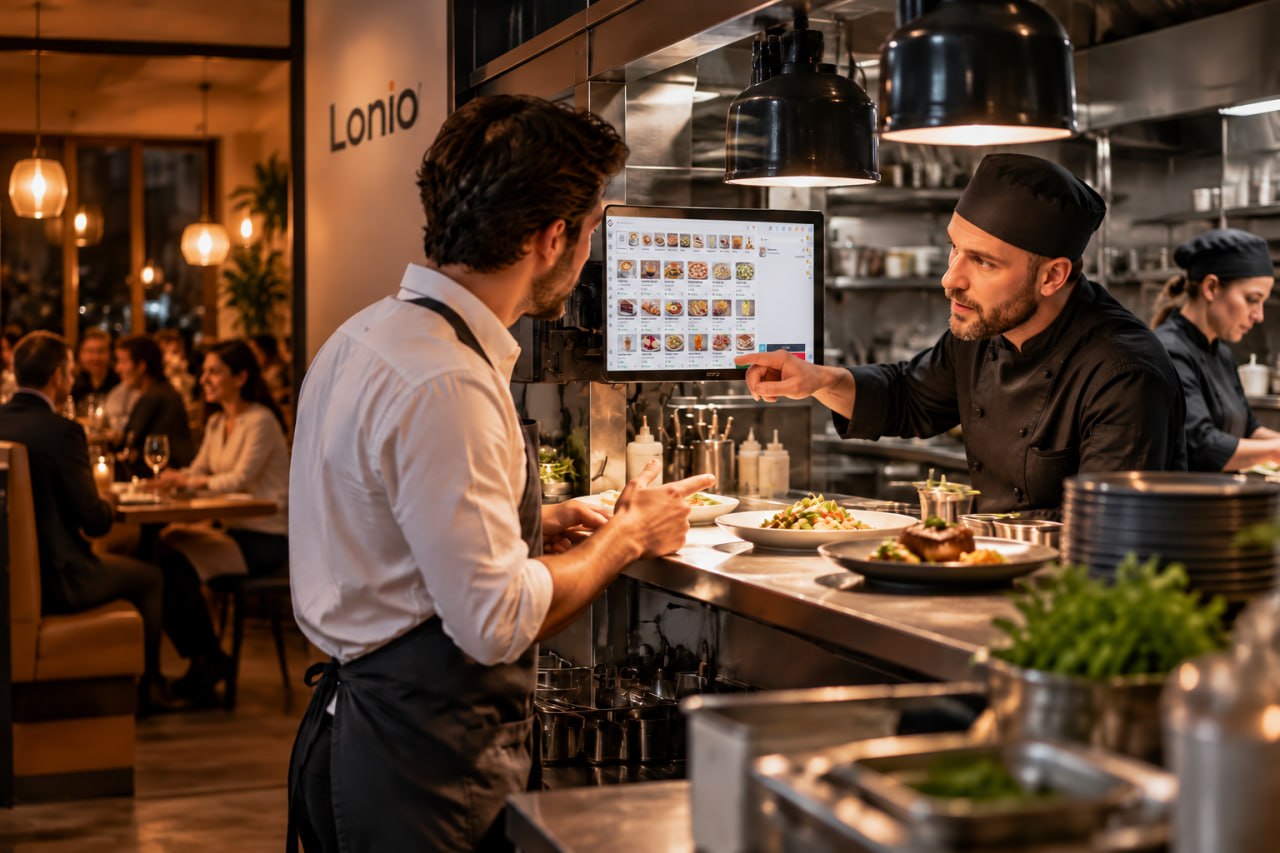
Hot kitchen, cold kitchen, bar and packing should be reviewed separately. A total average can hide a bottleneck at one station.
Data required
- Orders in each time slot
- Items per order
- Preparation time
- Queue at each station
- Complex items or items with many modifiers
Peak-period scenario
Compare forecast demand with the actual capacity of every station and create separate plans for events, group bookings and campaigns.
Operational actions
- Preparation before service
- Task allocation
- Temporary restriction of very slow items
- Adjustment of promised times
- Rerouting work between stations
Define capacity using a common workload unit
Order count alone is not enough: one order may contain one drink while another contains several complex dishes. For each time slot, estimate workload through item count, approximate standard time, stations involved and modifier complexity. The model should remain simple, understandable and based on data from the actual kitchen.
See demand from every channel together
Online capacity is not separate from dine-in operations. Reservations, groups, walk-ins, telephone orders, takeaway, delivery and events all use shared stations. A half-hourly or hourly plan should show total demand and avoid counting orders twice when they move between channels.
Connect the daily preparation plan to capacity
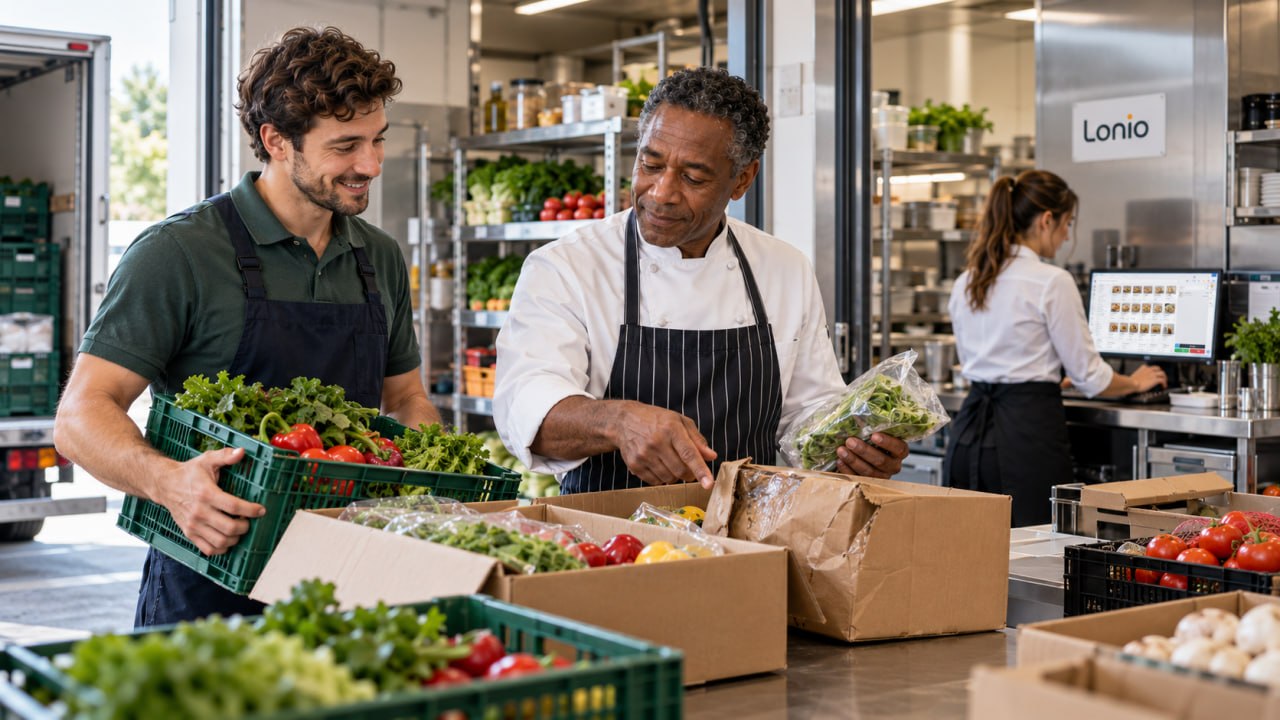
Pre-service preparation should use sales from comparable days, reservations, campaigns, usable inventory and actual leftovers. Every task needs a station, target quantity, owner and completion time. Under-preparation increases service time; over-preparation creates waste and holding risk.
Preparation priorities
- Items with long preparation times
- Ingredients shared by several high-selling products
- Group orders or confirmed reservations
- Items sensitive to stock or holding time
- Stations with a history of becoming bottlenecks
Record the actual amount prepared and the variance from plan after service so that future plans improve.
Station capacity and total kitchen capacity
The most constrained station determines the total kitchen capacity. The hot line may have spare capacity while packing or the bar creates a queue. Waiting between stations and the time gap between items in the same order should be reviewed alongside each station's processing time.
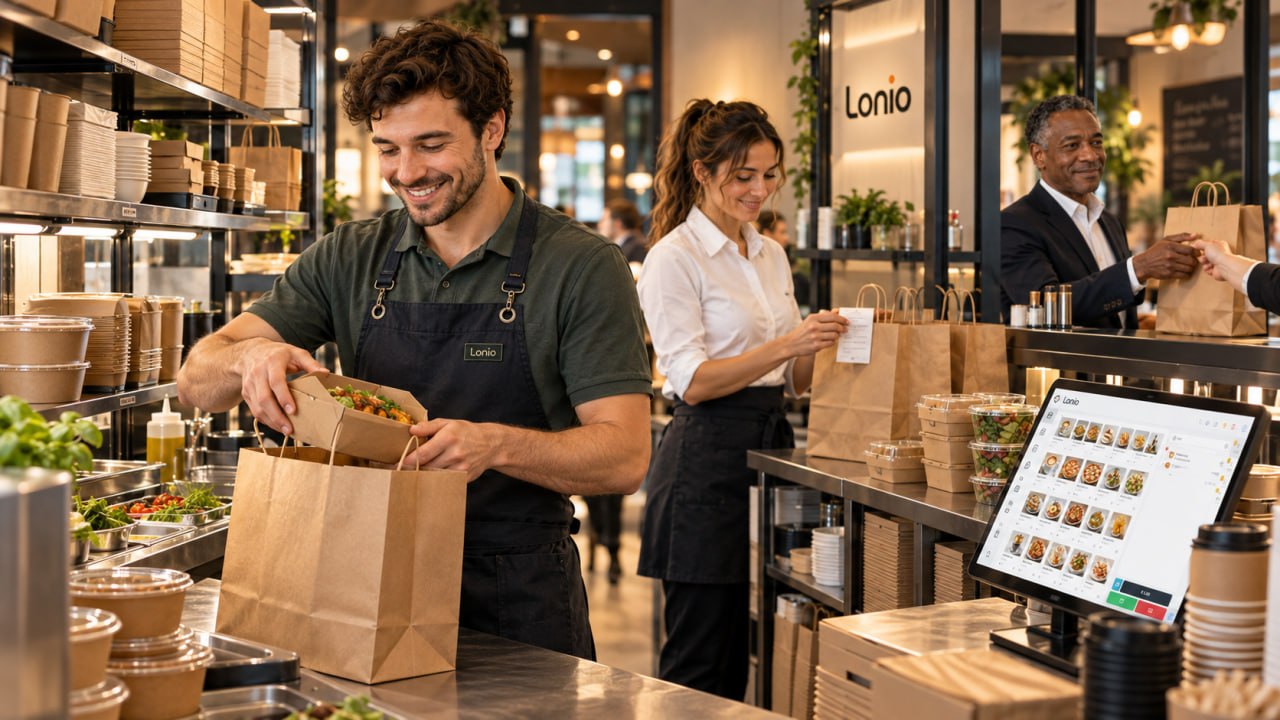
Collection and online-order slots
Set the acceptable volume for each collection or delivery slot according to the total queue. When capacity is full, practical options include offering a later time, extending the promised time, restricting selected slow items or pausing acceptance in a controlled way. Any automatic behaviour must be confirmed in the live product and integration.
Slow items and menu dependencies
A product that occupies several stations at once can consume more capacity than its sales count suggests. Large numbers of modifiers, frequent changes and complex packaging also matter. Temporary removal or restriction should follow a review of customer, revenue and operational effects.
Threshold and action matrix
- Normal: queue within target and no change to acceptance
- Warning: increase promised time and notify the shift lead
- High pressure: restrict slots or selected items and reallocate tasks
- Critical: temporarily pause a channel or require a recorded management decision
Define thresholds before the rush so decisions are not improvised.
People and equipment
Adding staff helps only when workspace, equipment and task allocation support it. For every station, identify required skills, backup staff and equipment or preparation constraints.
Promised customer time
The quoted time should reflect the live queue, work remaining, channel and courier or delivery capacity. A fixed time all day may be excessive when quiet and unrealistic at peak. Changes after order acceptance require clear communication with the customer.
Monitoring during service
- Orders close to or beyond target time
- Queue and remaining work at each station
- Completed items waiting for another part of the order
- Stockouts or incomplete preparation
- Cancellations, refunds and changes to promised time
The purpose of monitoring is to find an action, not merely to display a dashboard.
Practical scenario
At 7 p.m. the dining room has many reservations and the online channel receives several complex orders. Packing reaches its pressure threshold before the hot line. The manager extends online collection times, moves a trained person to packing and temporarily restricts two very slow items. The decision and its effect are reviewed after service.
Post-service review
Compare forecast and actual results by time slot, channel, station and product. Prepared quantities, leftovers, stockouts, delays, cancellations and waste show whether the problem came from forecasting, preparation, capacity or uneven order arrival.
Boundary of automation claims
A system may support data, alerts and capacity settings. Automatic preparation plans, automatic time changes, channel pauses or ingredient deductions should be presented as features only when they have been tested in the actual product version and connected systems.
Conclusion
Capacity planning should be updated using real order and preparation-time data, not only general experience.
Frequently asked questions
How should kitchen capacity be measured?
By time slot, station, number and complexity of items, and demand from every channel.
What should the daily preparation plan use?
Comparable sales, reservations, campaigns, usable inventory and actual leftovers from the previous period.
What actions are possible during high online-order pressure?
Extend times, offer later slots, restrict slow items or pause acceptance under approved rules.
Does adding staff always increase capacity?
No. Equipment, space, skills, layout and station constraints also determine capacity.