Restaurant Kitchen Bottlenecks: Queue Analysis and Late-Order Priorities
A practical guide to identifying constrained kitchen stations and managing at-risk or late orders through comparable targets, item dependencies and coordinated action.
- Bahram Davoodi
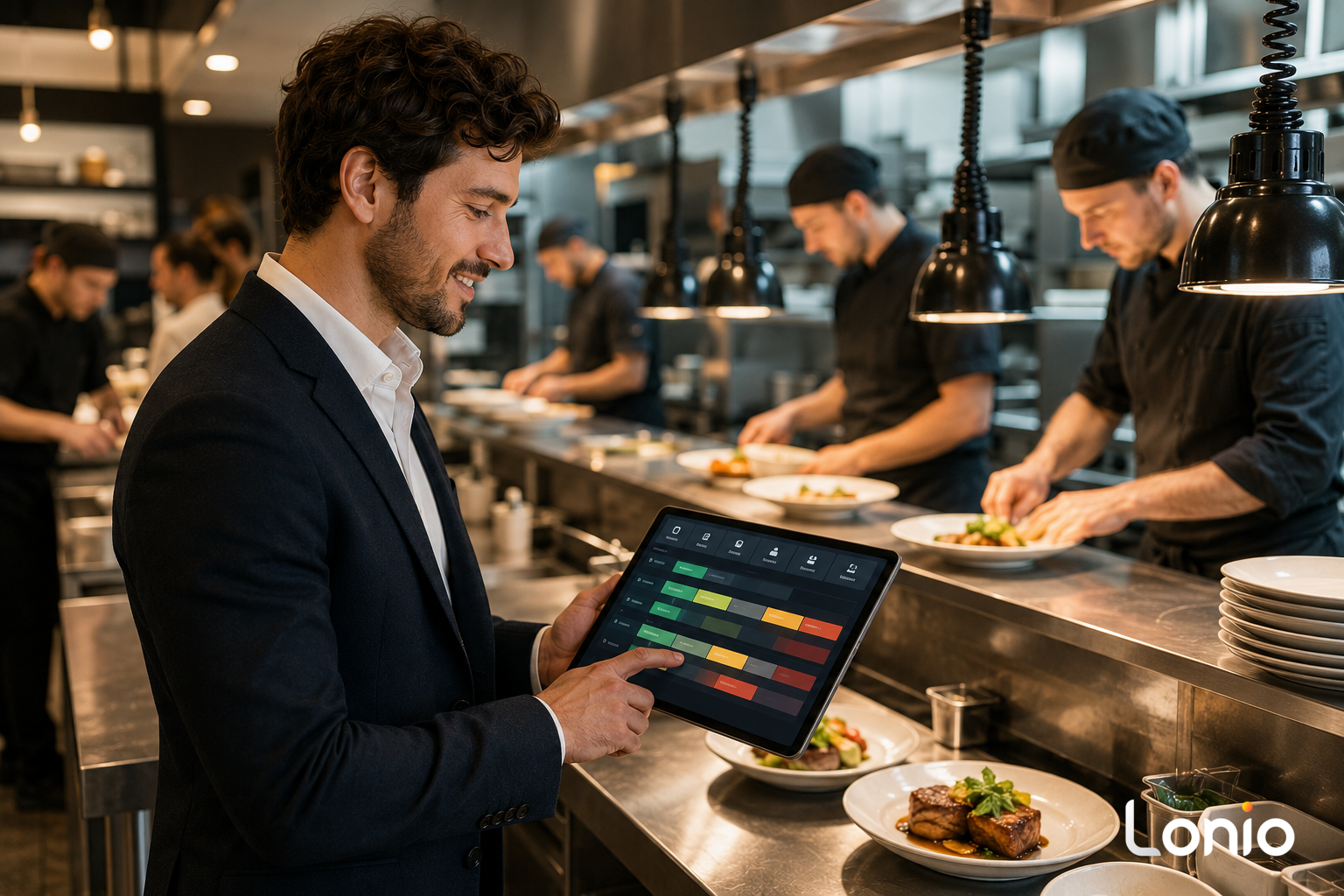
When preparation times rise, the cause is not always a shortage of staff. A single station, an uneven order release pattern, complex menu options or weak coordination between front of house and kitchen can create a queue that slows the entire service.
What is a kitchen bottleneck?
A bottleneck is the step whose available capacity limits the throughput of the whole order flow. Other stations may work quickly, but the slowest or most variable stage determines when a complete order can leave the kitchen. The bottleneck can also move during service: grill may be constrained at one moment, drinks or packing later.
Collect timestamps that explain the flow
- Order received time and promised handover time.
- Preparation start and completion time.
- Station responsible for each item.
- Number of items, modifiers and special instructions.
- Time an item waits for another station.
- Handover time to table service, collection point or courier.
A single average preparation time is not enough. Station-level timestamps show whether delay is caused by waiting before work starts, slow production, coordination between stations or final handover.
Define target times for comparable orders
A target should reflect channel, order size, stations involved, meal period, peak conditions and the time promised to the guest or courier. Comparing a one-drink pickup order with a large mixed table order creates misleading alerts. Use comparable groups and review targets against actual capacity rather than treating one number as a universal promise.
Recognise orders that are moving into risk
Operationally useful states include within target, approaching target, beyond target and intervention required. Automatic warnings depend on the confirmed product configuration, but the same categories can be used in a manual kitchen review. A risk state should show the blocked station, remaining work and promised time, not merely how long the ticket has existed.
Analyse by station, not only by kitchen average
Review hot kitchen, cold section, bar, dessert and packaging separately. Track order volume, active workload, queue age and service-time distribution for each station. A reasonable overall average can hide repeated extreme waits at one station, especially when its items determine whether complete orders can be released.
Signals of a real bottleneck
- Orders accumulating before one station.
- Frequent reprints or repeated questions from front of house.
- Items for the same table finishing far apart.
- Prepared food cooling while another item is still pending.
- Repeated manual priority changes.
- A high upper percentile even when the average appears acceptable.
Priority is not simply the oldest order first
Age matters, but a responsible priority decision also considers the promised time, current stage, work remaining, item dependencies, food quality risk, allergens or special requirements and the effect of moving one order ahead of others. Uncontrolled queue jumping may solve one delay while creating several new ones.
Use an action matrix for at-risk orders
- Identify the blocking item or station.
- Check whether work can be divided or reassigned safely.
- Adjust the sequence without compromising quality or food safety.
- Tell front of house, collection staff or the courier coordinator the revised time.
- Record any authorised service-recovery action and its reason.
Priority changes should have a named decision owner. Recording the reason makes later analysis possible and prevents every employee from changing the queue independently.
Coordinate items within the same order
Fast individual stations do not guarantee a good guest outcome. Items for the same table or delivery should finish within a controlled window. Measure the gap between the first and last completed item. Large gaps often indicate poor release timing, incorrect routing or a menu combination that overloads one station.
Review menu and routing effects
Highly customised dishes, too many modifiers, shared equipment and mixed-channel peaks can overload a station. Corrective actions can include changing ticket routing, redesigning the workstation, preparing components before peak periods, splitting tasks, adjusting availability or reviewing unusually slow menu items. Changes should be tested during comparable service periods.
Practical scenario
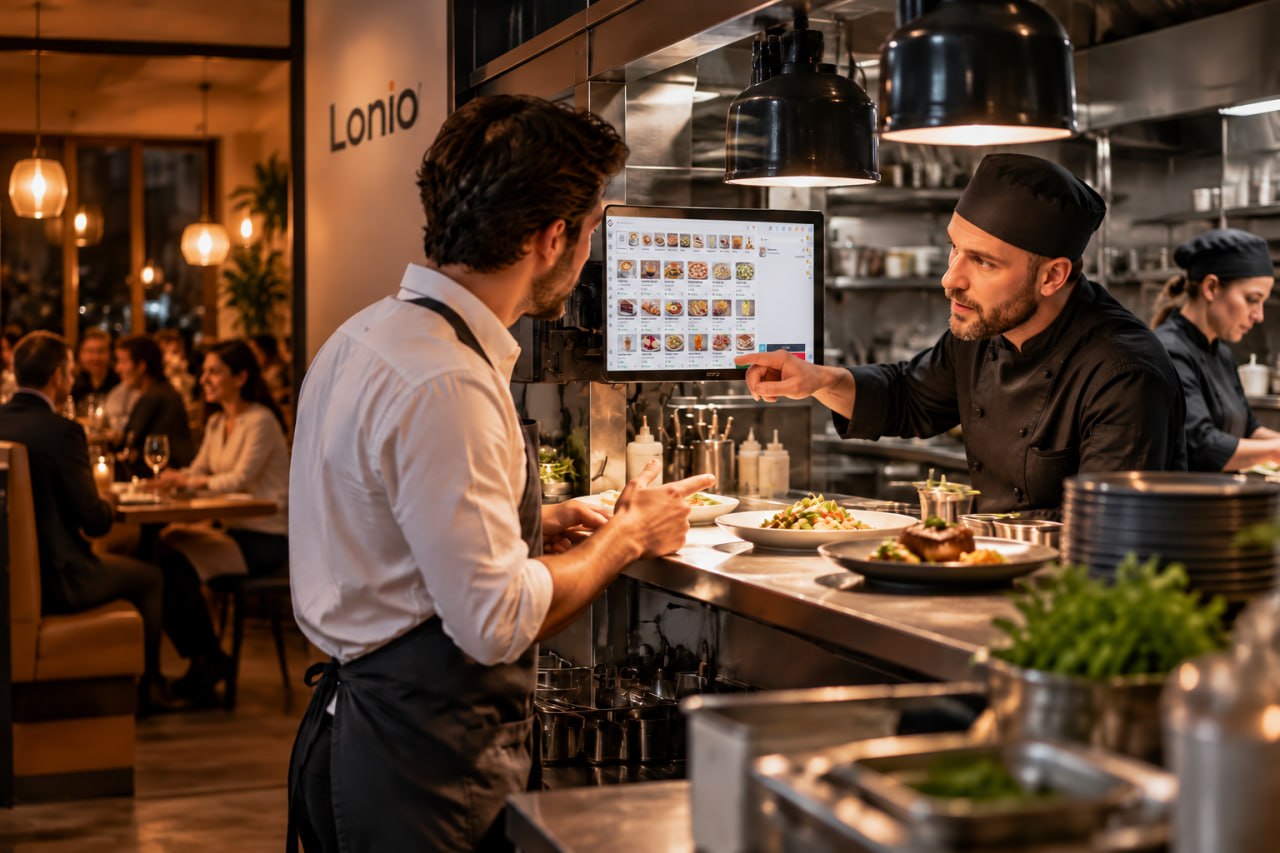
Three orders are beyond target. The oldest still has several long-cooking items. The second has all food ready and is waiting only for one drink. The manager reviews the dependencies, completes the drink without disrupting the main cooking sequence and temporarily assigns support to the constrained station handling the oldest order. Front of house receives revised times for both orders.
Analyse causes after service
Segment late orders by hour, channel, station, product, number of modifiers and order size. Common causes include insufficient peak capacity, incomplete preparation, wrong routing, equipment constraints, complex choices or an uneven release of online and dine-in orders. Separate one-off incidents from recurring patterns before changing staffing or the menu.
Useful bottleneck KPIs
- Percentage of orders exceeding the relevant target.
- Median and upper-percentile preparation times.
- Waiting time between stations.
- Gap between the first and last completed item.
- Number of interventions, reprints and kitchen corrections.
- Delay by station, channel and menu item.
How Lonio can be assessed
Depending on the confirmed configuration, Lonio may support kitchen status visibility, preparation timestamps, station reporting and operational review. Automatic targets, warnings or queue reprioritisation should only be described after the actual version, routing rules and kitchen process have been validated.
Conclusion
Find bottlenecks with order-state and timing data, then intervene with a controlled rule and a named owner. The aim is not to make one ticket look faster, but to improve the flow of complete orders without moving delay elsewhere.
Frequently asked questions
What is a kitchen bottleneck?
The station or process step whose capacity limits the preparation flow of complete orders.
How is a late order identified?
By comparing actual progress with a target defined for similar channels, stations, order sizes and service conditions.
Should the oldest order always be first?
No. Promised time, remaining work, item dependencies, quality risk and the impact on other orders must also be considered.
Which metric reveals poor item coordination?
The time gap between the first and last completed item for the same order or table.