Restaurant Customer Profile: Reservations, Orders, Credit and Contact Consent
Create one governed restaurant customer profile across bookings, orders, credit, coupons and contact consent, with duplicate control and role-based access.
- Bahram Davoodi
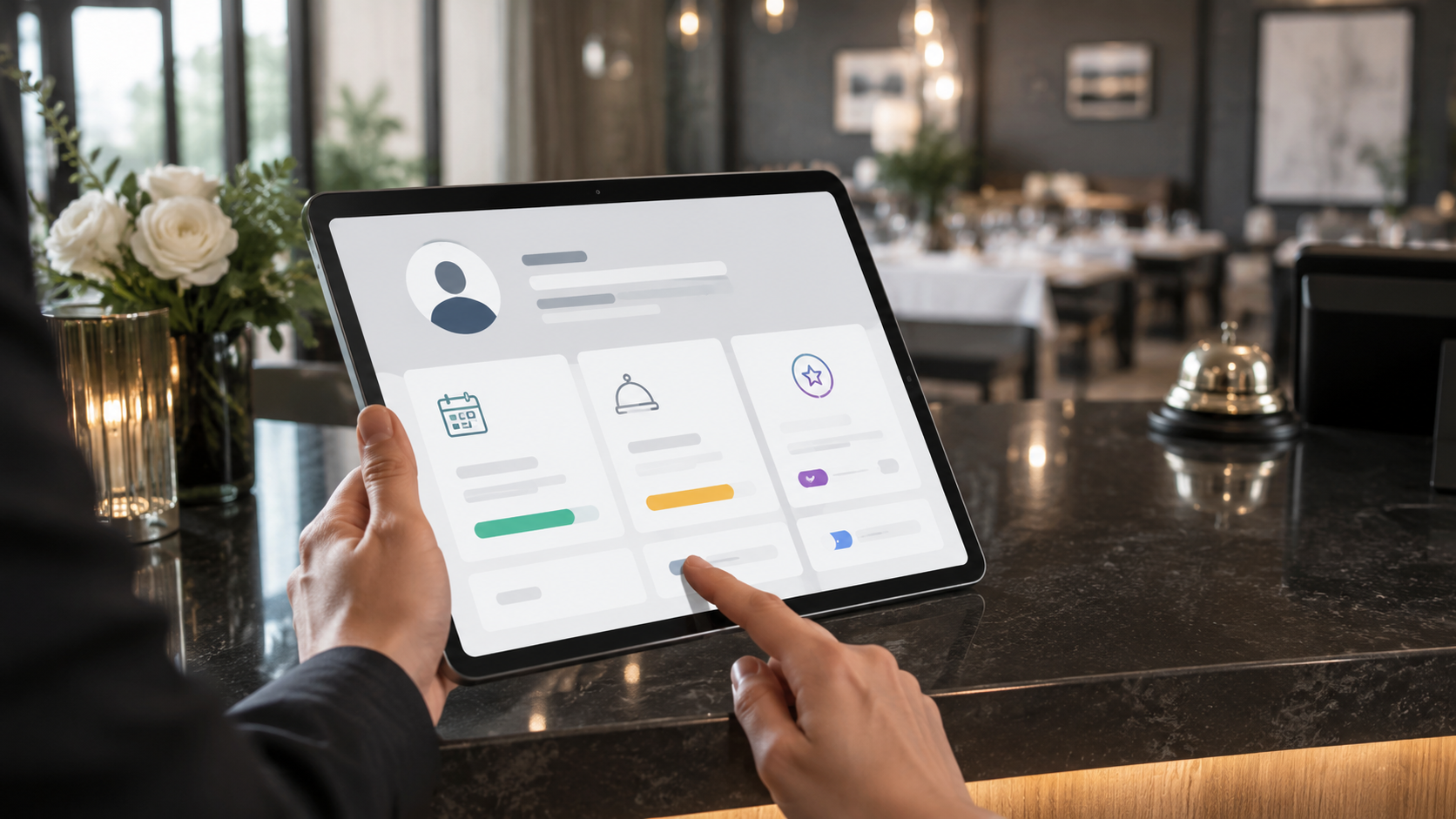
When bookings, table orders, online purchases and customer credit sit in separate records, staff cannot see a reliable customer history. A governed customer profile can bring these operational records together without collecting more data than the restaurant needs.
Which information is useful?
- Verified contact details and preferred language
- Reservation, attendance and no-show history
- Orders, visits and average spend
- Credit, gift cards and coupons
- Permitted service notes and preferences
- Separate status for marketing consent
Define a source of truth for every field
Contact details, order history and credit balances should each have a clear authoritative source. This prevents one channel from silently overwriting another and avoids differences between reservations, POS and online ordering.
Prevent and merge duplicate records carefully
A name alone is not a safe match. Phone number, email address and reservation history can help identify possible duplicates, but merging should require review where information conflicts.
- Flag similar records for review.
- Show conflicting values and their sources.
- Move reservations, orders and credit without deleting history.
- Keep a reference from the retired record to the primary profile.
Use the profile in reception and checkout
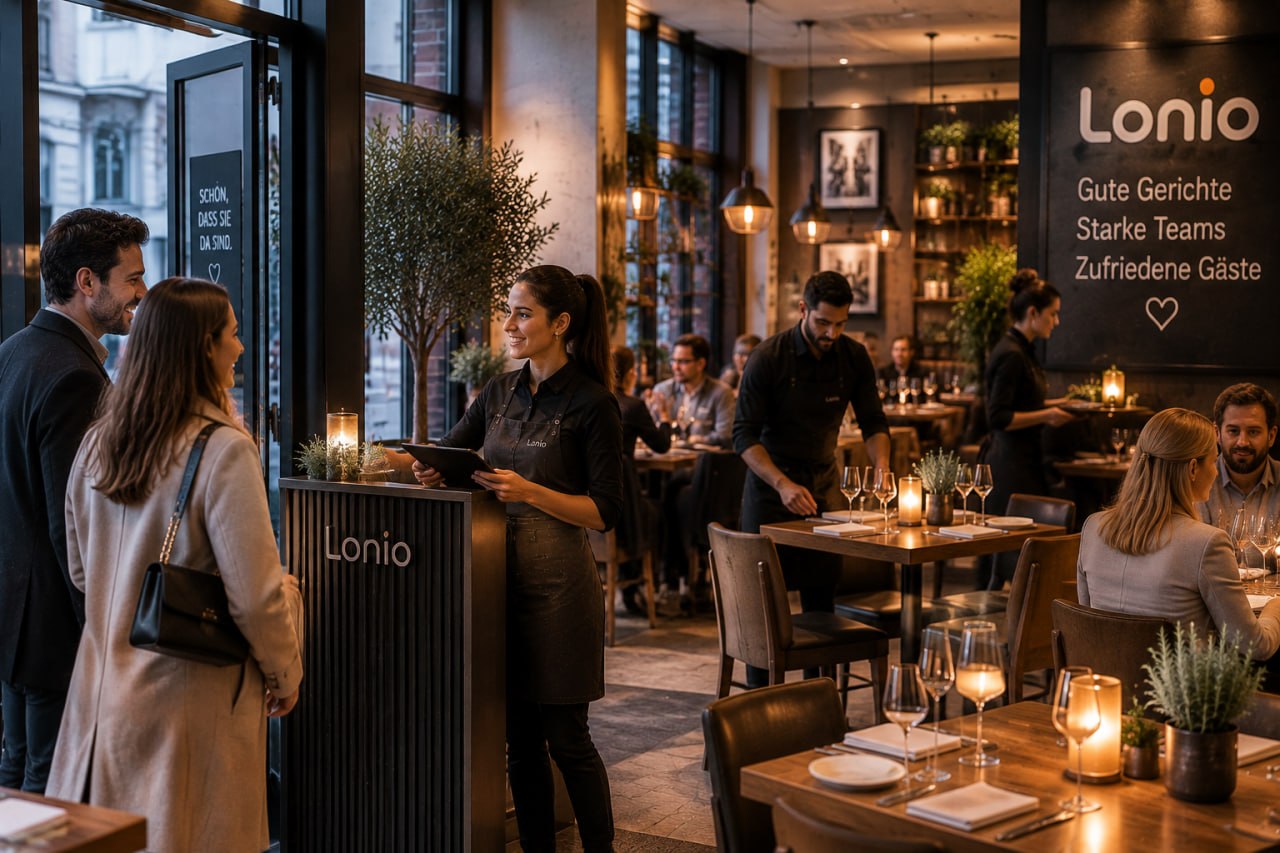
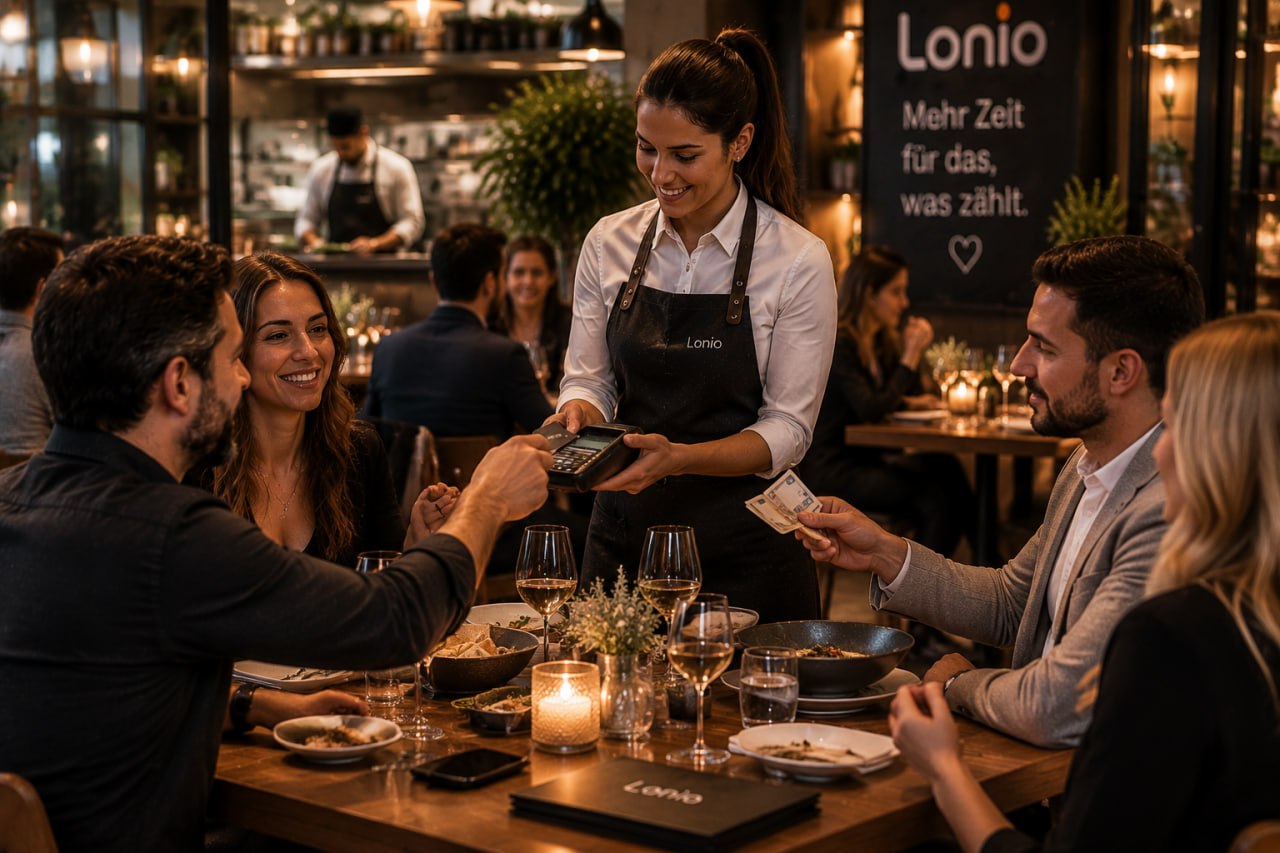
Reception may need previous bookings, language and approved service notes. At checkout, authorised staff may verify available credit or a coupon. Access should follow the employee's role rather than exposing the full profile to everyone.
Segment customers from real activity
New, returning, inactive or group customers can be identified from reservations and purchases. Segmentation should use necessary data and should not infer sensitive characteristics that the restaurant does not need.
Separate service communication from marketing
Information required to fulfil a booking or order is not the same as permission to send promotions. Store consent status, date, channel, source and withdrawal separately. Lack of marketing consent must not prevent essential service messages.
Apply data minimisation and role-based access
Front-of-house staff may need a name, booking and service note but not the full financial balance or communication history. Limit viewing, editing, merging, exporting and deleting rights according to purpose and responsibility.
Manage the profile lifecycle
- Create or match a profile during booking and ordering.
- Update contact information through a controlled process.
- Record service preferences with source and date.
- Review duplicate and inactive records.
- Handle correction, export and deletion requests through the approved privacy process.
Practical scenario
A customer was recorded once through a telephone booking and again through an online order. The system flags two similar profiles. After review, reservations, orders and credit are combined, but marketing consent is transferred only from a record with a valid source and timestamp.
Customer data quality indicators
- Duplicate profiles identified and resolved
- Share of bookings and orders linked to a valid profile
- Contact-detail corrections
- Credit and coupon use with a complete audit trail
- Privacy requests completed through the defined process
How Lonio can help
Depending on the confirmed configuration, Lonio can present related reservations, orders, credit and history in one customer view. Matching rules, permissions, consent tracking, export and deletion workflows must be validated in the live setup.
Conclusion
A unified customer profile can improve service and reporting only when records are accurate, access is limited and personal data is managed for a clear purpose.
Frequently asked questions
What can a restaurant customer profile combine?
Contact details, reservations, attendance, orders, credit, coupons and permitted service preferences can appear in one governed view.
How can duplicate profiles be prevented?
Use phone, email and booking history to find possible matches, then review conflicts before merging.
Is marketing consent the same as data needed for a booking?
No. Service data and permission for promotional messages must be recorded and managed separately.
Should every employee see the entire profile?
No. Access should be limited by role, purpose and the minimum data required.