Restaurant Average Order Value: Helpful Upselling Without Pressure
Responsible cross-selling and basket analysis to improve order value without intrusive prompts, customer pressure or new operational bottlenecks.
- Bahram Davoodi
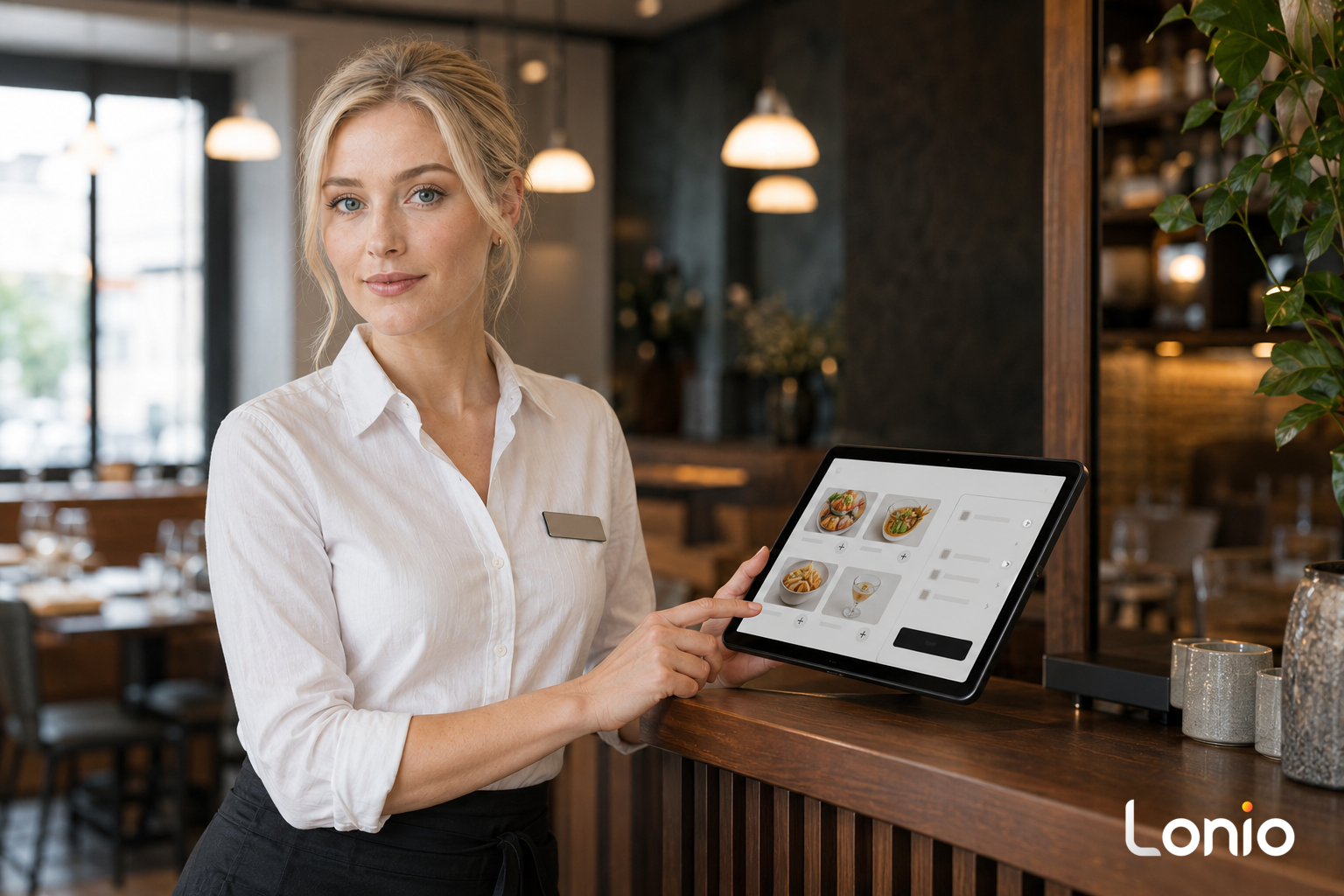
Increasing order value should not mean pressuring guests to buy more. A useful suggestion is relevant to what they chose, appears at the right moment and is easy to decline.
Define average order value consistently
Average order value is the selected sales amount divided by the number of included orders. Decide whether the basis is gross or net, before or after discounts, and how cancelled and refunded orders are treated. Keep that definition stable so apparent growth is not created by changing the calculation.
Segment before drawing conclusions
Dine-in, takeaway, telephone and online orders behave differently. Review AOV by branch, channel, meal period, day of week and party size. A change in the mix of orders should not be mistaken for the effect of an upsell.
Make add-on suggestions relevant
- A drink or side that fits the selected dish.
- A larger size only when the value is clear.
- A dessert or complementary item at the appropriate ordering stage.
- A bundle with transparent components and price.
- A substitute for an unavailable item only with the guest's confirmation.
Irrelevant, repeated or difficult-to-decline prompts can lengthen ordering and reduce trust.
Use basket analysis and attachment rate
Look beyond the final total. Measure what percentage of orders containing a primary item also contain a specific add-on. Where possible, distinguish suggestions shown, accepted and declined. Order data alone cannot prove an offer caused the purchase if exposure was not recorded.
Protect contribution and operational capacity
A higher bill is useful only when the add-on has an acceptable contribution and does not create a new bottleneck. A low-margin or labour-intensive item can raise revenue while worsening kitchen, bar or packing performance.
Choose the right moment
Suggestions should appear while the choice is still useful. A late prompt can disrupt kitchen release or payment. Staff should understand the difference between helping a guest and repeating a mandatory sales script.
Run a controlled test
- Select one offer and one product group.
- Define the channel, branch and test period.
- Record baseline AOV, attachment rate, ordering time and margin.
- Run the offer for a limited comparable period.
- Compare results together with complaints, corrections, refunds and station load.
Customer-experience guardrails
The offer must be clear, truthful and easy to reject. Do not ignore dietary needs, allergies, budget signals or a direct refusal to meet a sales target. Review complaints and order corrections alongside revenue metrics.
Practical scenario
Basket data shows that a particular drink is often chosen with one main dish. A short suggestion is tested when that dish is added. The team tracks AOV, acceptance, ordering time, bar capacity, margin and complaints. The offer is expanded only if the result is balanced.
How Lonio can be assessed
Depending on confirmed configuration, Lonio may support related-product rules, basket reporting, channel analysis and product performance review. Automated recommendations and attribution of uplift should only be claimed after the actual feature, event tracking and reporting logic have been verified.
Conclusion
Sustainable AOV growth comes from relevant choices and reliable analysis, not from making guests uncomfortable.
Frequently asked questions
How is average order value calculated?
Divide the consistently defined sales amount by the number of included orders, using the same rules for discounts, cancellations and refunds.
Do more recommendations always improve results?
No. Irrelevant or repeated prompts can increase ordering time and damage the customer experience.
What is product attachment rate?
The percentage of orders containing a main item that also include a defined complementary item.
Which metrics should be reviewed alongside order value?
Acceptance rate, ordering time, contribution, kitchen capacity, complaints, corrections and refunds.