Retail Inventory Management: Stock and Reordering Under Control
A practical guide to retail inventory management: real-time stock, automatic reordering and omnichannel sync.
- Bahram Davoodi

Why does good retail inventory management matter?
For retailers, stock often means either missed sales from empty shelves or capital tied up in goods that don't move. Retail inventory management helps businesses strike the right balance between availability and tied-up capital.
Tracking stock in real time
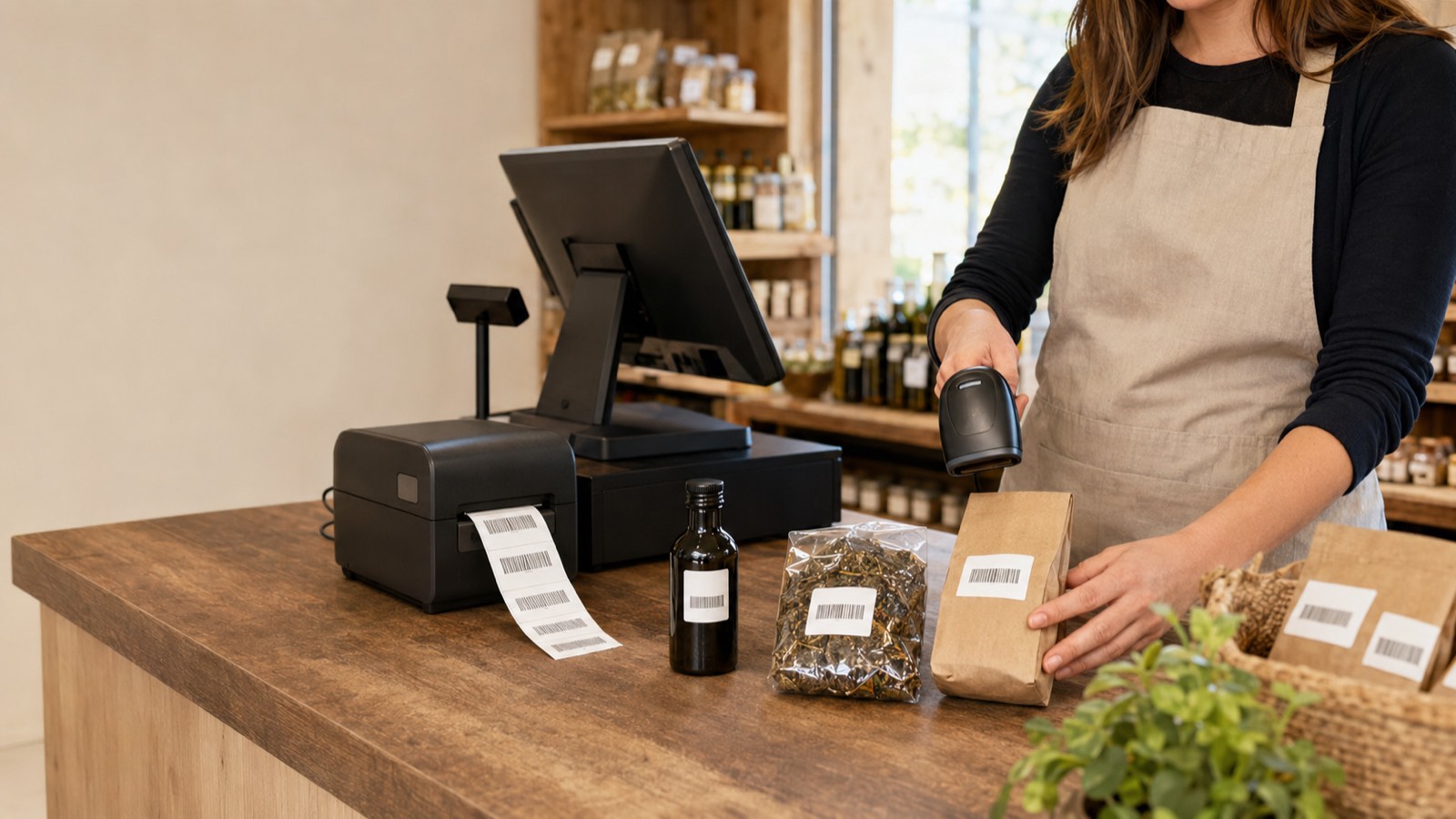
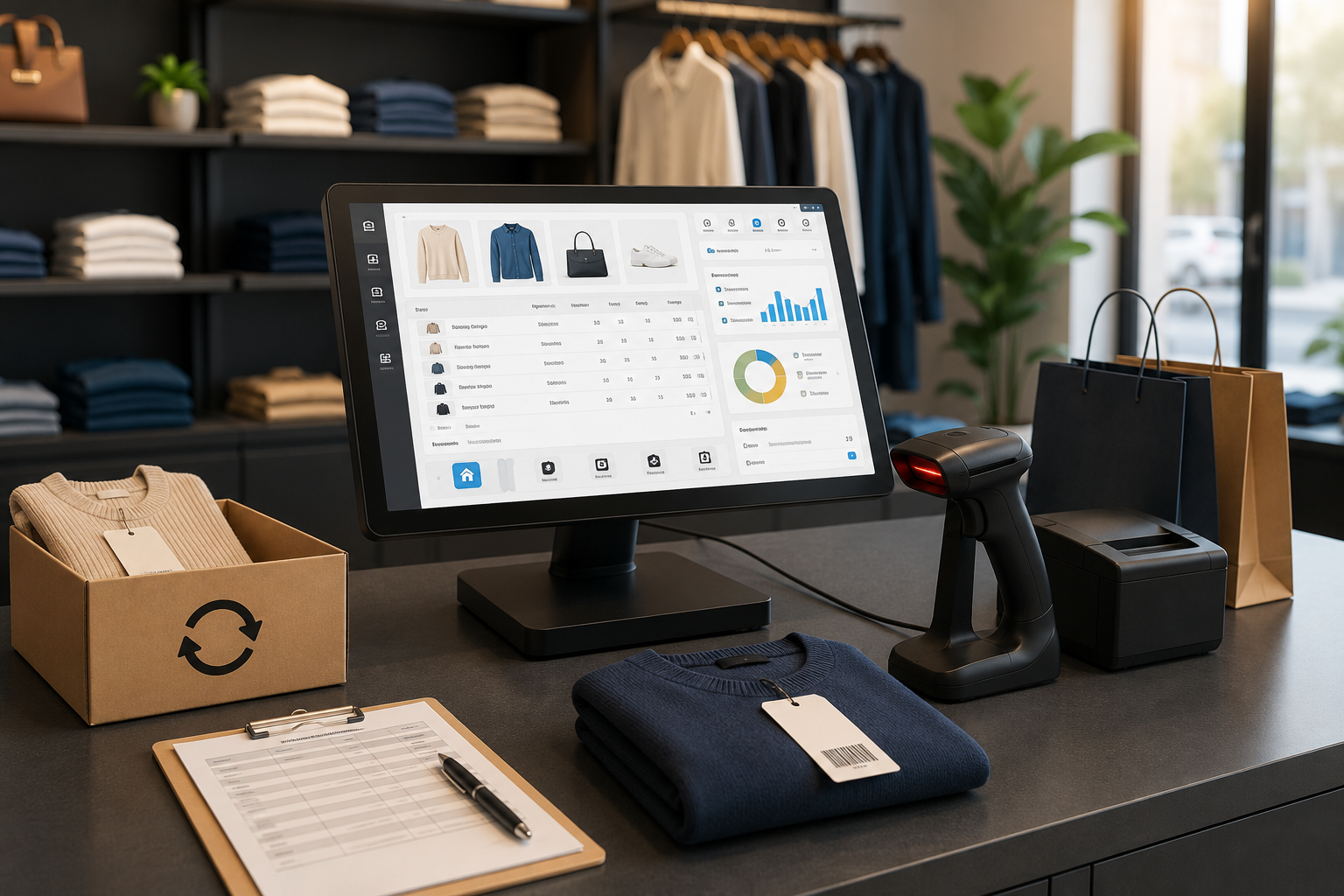
A POS system connected to inventory management automatically updates stock with every sale. That means you always know your exact stock levels without manual counts.
Automatic reordering and threshold alerts
With a defined minimum stock level per item, the system can automatically trigger reorders or remind you in good time to order manually. This reduces the risk of items running out.
Syncing with omnichannel sales
For retailers selling both in-store and online, integrated inventory management must sync stock across channels so no item gets sold twice.
How to avoid stockouts or overstock
- Regularly review top sellers and slow-moving stock;
- Set thresholds based on actual sales, not estimates;
- Review supplier lead times to adjust order cycles;
- Align stock with seasonal or promotional plans.
Summary
Retail inventory management needs accurate tracking, reliable reordering and full synchronisation across channels. Lonio combines inventory management with its POS system, giving Austrian retailers an integrated solution. Get in touch for more information.
Is automatic reordering fully automated?
Depends on configuration; thresholds can trigger automatic orders or just alerts.
Does inventory management work with multiple locations?
Yes, stock is synced centrally across all locations.
Does it sync with online shops?
Yes, stock is updated across channels after every sale.
Is there a minimum stock threshold?
Yes, individual thresholds per item let you act quickly when stock is low.