Cloud POS System in Austria: Comparison, Costs and How to Choose
Practical comparison of cloud POS systems in Austria: RKSV compliance, differences from a stationary till, costs, offline mode and selection criteria.
- Bahram Davoodi

What is a cloud POS system and why does it matter in Austria?
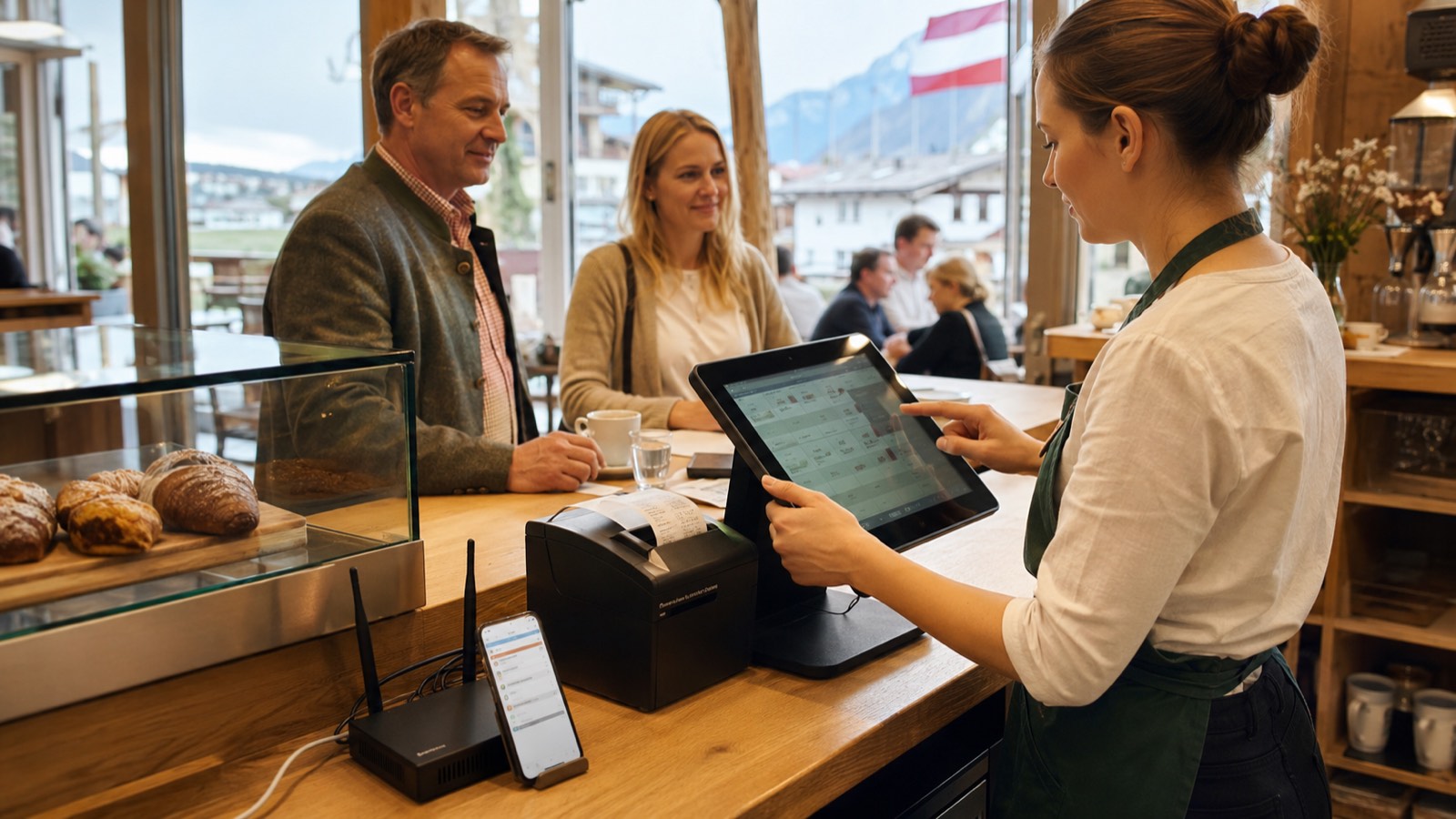
A cloud POS system stores your sales, product and customer data in the cloud instead of on a single device, and is accessible from a tablet, phone or browser. Data is synced and backed up automatically, and software updates happen in the background without any action from you. For Austrian businesses, this means access to reports from anywhere and less dependence on one physical device.
Legal requirements: RKSV and the cash register obligation
Under Austria's Registrierkassensicherheitsverordnung (RKSV), businesses with annual turnover above €15,000 and cash revenue above €7,500 are required to use an electronic cash register (Registrierkasse). Every till must:
- be equipped with a signature-creation unit (Signaturerstellungseinheit) and be tamper-protected;
- issue a receipt with a machine-readable QR code for every transaction (Belegerteilungspflicht);
- be registered with FinanzOnline and have a start receipt (Startbeleg);
- retain the data recording protocol (DEP) for tax audits.
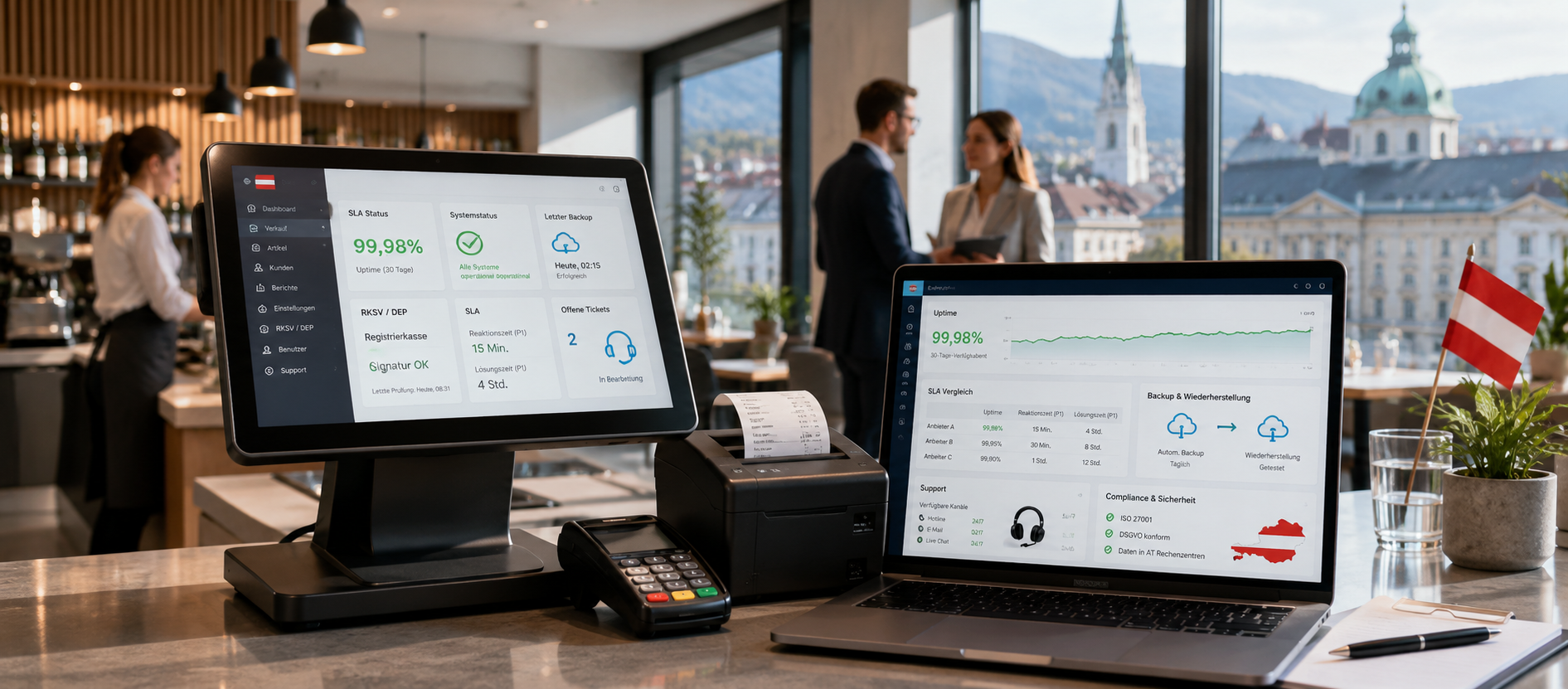
A credible cloud POS system covers all of this internally, so legal compliance happens automatically for you.
Cloud POS vs. stationary till
- Data storage: cloud with automatic sync – a stationary till stores data only on the device itself.
- Access: from anywhere via tablet or browser – a stationary till only at the till itself.
- Updates: automatic, in the background – stationary tills often need manual updates or a technician.
- Hardware: tablet or flexible devices – stationary tills usually mean dedicated, pricier hardware.
- Upfront cost: lower, with an ongoing subscription model – a stationary till means a higher upfront investment.
- Working without internet: can be bridged with an offline mode – a stationary till is inherently independent of the internet.
Key criteria for comparing cloud POS systems
- Full RKSV compliance and built-in FinanzOnline registration;
- A reliable offline mode for internet outages;
- Hardware flexibility (tablet, receipt printer, cash drawer, card terminal);
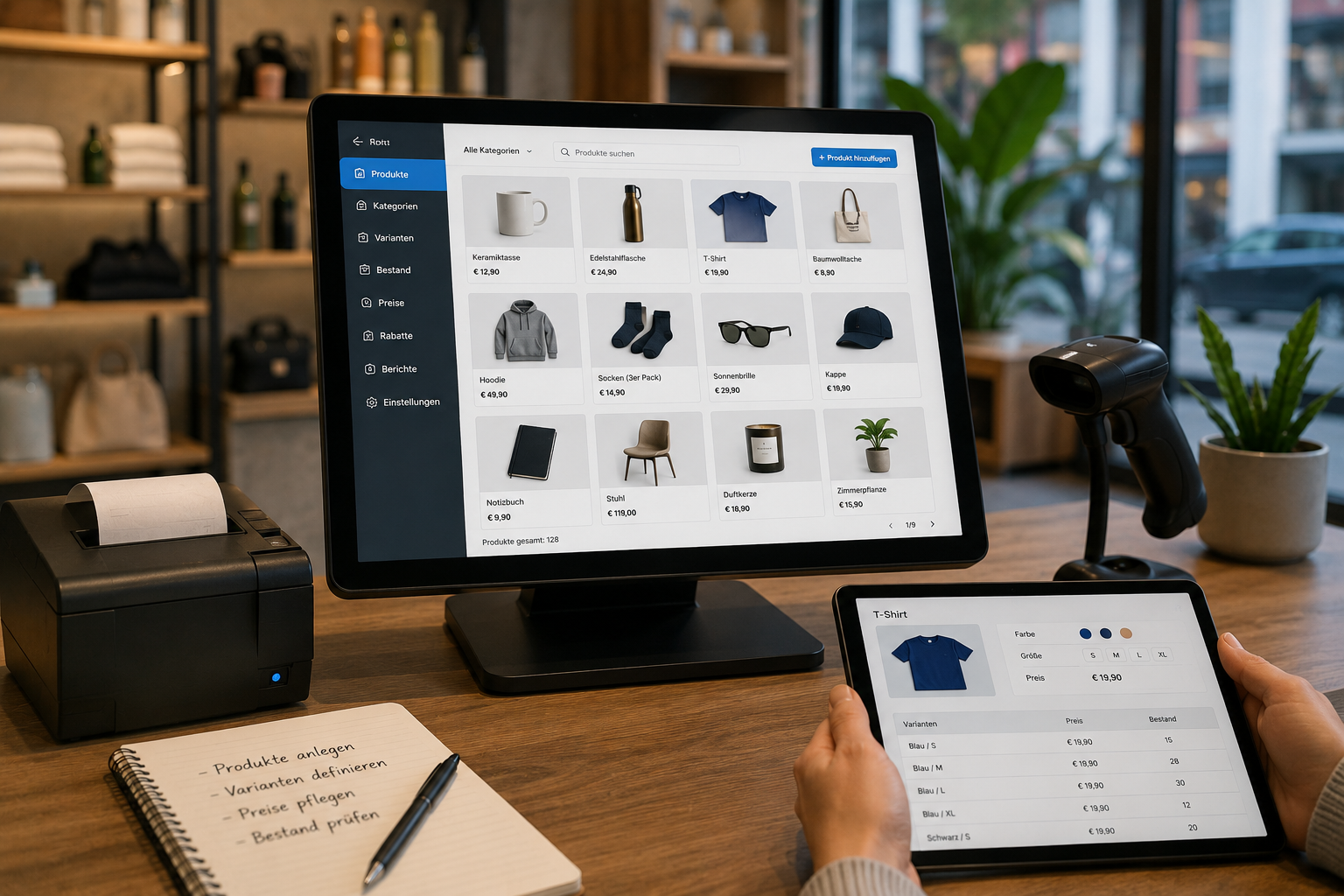
- Inventory management and customer management features;
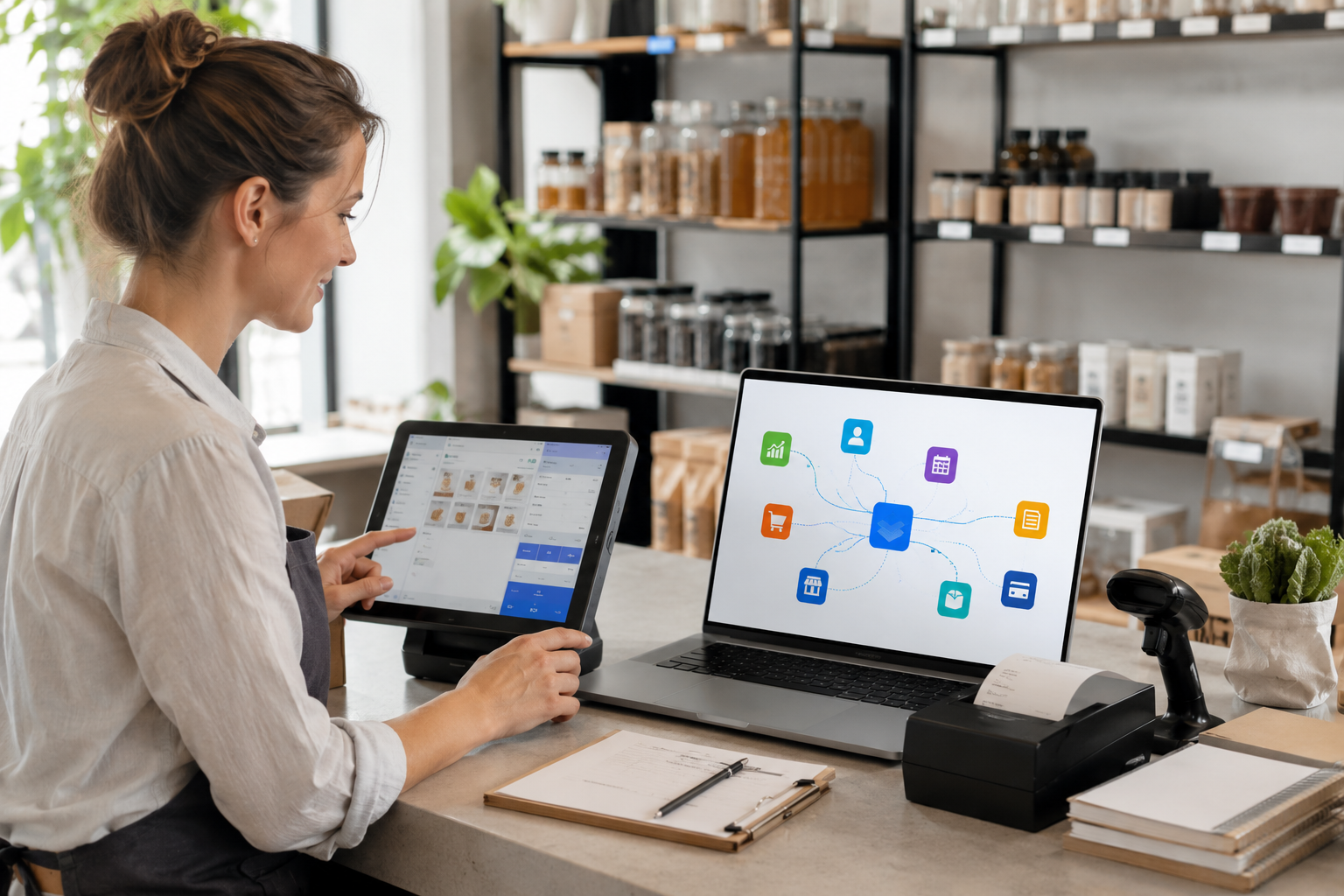
- Integration with your online shop and accounting software;
- Multi-location support and centralised reporting;
- Transparent pricing and payment model (purchase vs. rent/subscription).
Cost of a cloud POS system in Austria
Cloud systems typically run on a monthly subscription and often fall roughly in the range of €15 to €30 per month per till, depending on features. On top of the software subscription, factor in hardware costs (tablet, receipt printer, cash drawer) and card payment fees. The advantage of the cloud model is a lower upfront cost and predictable monthly spending. These figures are general benchmarks and vary by provider.
The internet question: does a cloud POS system work offline?
The most common concern about cloud POS systems is internet dependency. Good systems have an offline mode that stores transactions locally when the connection drops and syncs automatically once it's back. When choosing a system, explicitly ask whether it can issue RKSV-compliant receipts and keep selling while offline.
How to choose the right system for your business
- List your industry's requirements (restaurant, retail, services, etc.);
- Confirm RKSV compliance and FinanzOnline registration;
- Test the offline mode in practice;
- Check your need for multi-location operation and centralised reporting;
- Verify integration with your online shop and accounting;
- Compare total cost (software + hardware + fees);
- Evaluate support quality and language, and use a trial period where possible.
Summary
A suitable cloud POS system for Austria needs to combine RKSV compliance, a reliable offline mode, transparent costs and business-management features all at once. As a cloud solution, Lonio unites point of sale and sales, inventory management and reporting in a single platform built for the Austrian market – for personal advice, please get in touch with us.
Is a cloud POS system legal in Austria?
Yes, provided it is fully RKSV-compliant, issues receipts (Belegerteilungspflicht) and is registered with FinanzOnline.
What happens if the internet goes down?
Systems with an offline mode store transactions locally and sync them automatically once the connection is restored.
How much does a cloud POS system cost per month?
Usually around €15 to €30 per month per till, plus hardware and payment processing fees.
What's the main difference from a stationary till?
Remote access, automatic sync, hassle-free updates and a lower upfront cost.
Note: This article is for general information only and is not a substitute for legal or tax advice. For your business's specific situation, please contact your tax advisor.